From Animal-Based By-Products to Bioactive Films: A Review on Protein Hydrolysates for Sustainable Meat and Seafood Packaging
What if the future of sustainable packaging lies not in plastic, but in the very by-products of the meat and seafood industry? A new review explores how protein hydrolysates can transform waste into bioactive films.
The global push for sustainability has found an unlikely ally: animal by-products. A recent review highlights how protein hydrolysates, derived from these by-products, can be engineered into bioactive films for meat and seafood packaging. This approach not only addresses waste but also adds functional value to packaging materials.
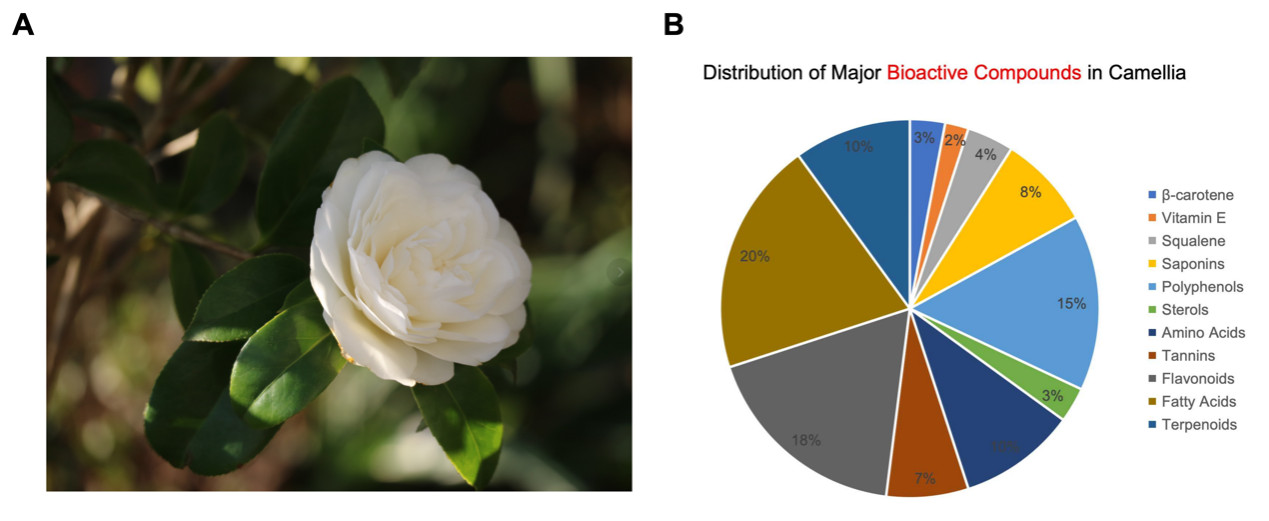
The review, though focused on packaging, draws on a rich chemical foundation. It discusses bioactive metabolites such as polyphenols, saponins, and terpenoids—compounds traditionally studied in cosmetics for their antioxidant and antimicrobial properties. These same compounds can enhance the performance of protein-based films, offering protection against spoilage and oxidation.
However, challenges remain. The review points to incomplete understanding of biosynthetic regulation, suboptimal extraction methods, and limited data on synergistic effects. It calls for omics technologies and green extraction approaches to unlock the full potential of these materials.
For now, the idea is promising: turning waste into smart, sustainable packaging. The next step is rigorous research to make it a commercial reality.
Key Points
- Protein hydrolysates from by-products create bioactive films.
- Polyphenols and terpenoids enhance antioxidant, antimicrobial packaging.
- Omics and green extraction needed for future progress.
Comments
No comments yet — be the first.