Future trends in Food Science and Foodomics: a perspective view by the Editorial Team of Exploration of Foods and Foodomics
Imagine a world where your food not only nourishes you but also tells you where it came from, protects you from contaminants, and even boosts your health—this is the future that food scientists are racing to build.
Food science is no longer just about making food taste good or last longer. It's a high-tech frontier where nanotechnology meets nutrition, and where the tiniest particles—microplastics and nanoplastics—pose big questions about safety. In a new perspective article, the editorial team of *Exploration of Foods and Foodomics*—a group of internationally recognized experts—maps out the hottest topics shaping the field today.
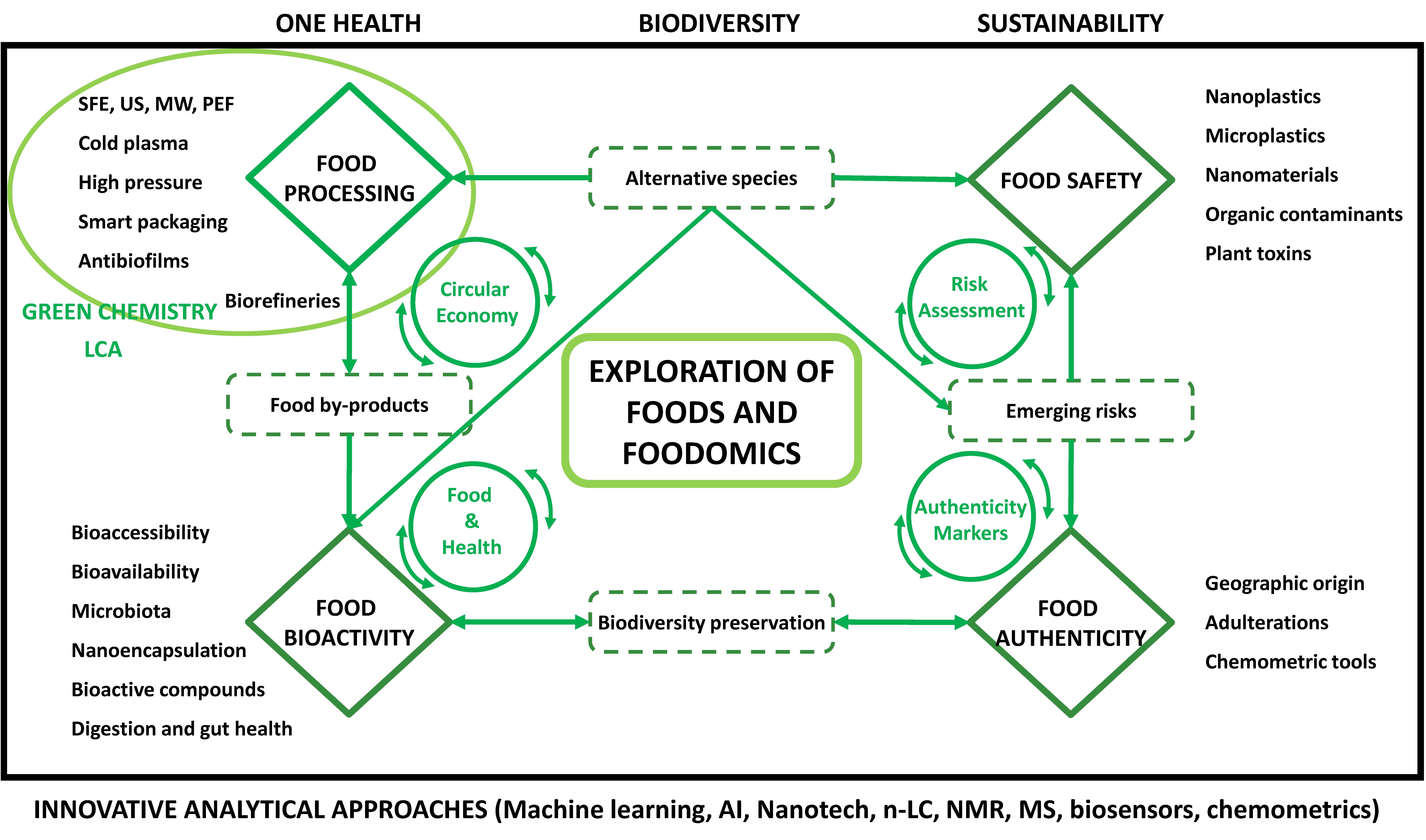
The team dives into four core pillars: food safety, authenticity, processing, and bioactivity. On safety, they highlight cutting-edge tools like analytical nanotechnology and nano-chromatography, alongside mass spectrometry and NMR to detect organic contaminants. They also flag the growing concern of plant toxins and plastic particles in our food supply.
When it comes to authenticity, the experts point to biosensors and foodomics as game-changers in verifying what's really on your plate. Processing innovations take center stage too—from novel technologies that affect gut microbiota to active packaging and the tricky issue of recycled plastics. They even explore green extraction of bioactive compounds from food by-products and the anti-biofilm power of natural oils.
Finally, the article connects food to health, examining how bioactive compounds are absorbed, how food matrices affect nutrient delivery, and how biodiversity and the one-health concept link our diets to planetary well-being. The takeaway? These topics aren't just academic—they're the roadmap for future research that could transform how we eat, trust, and benefit from food.
Key Points
- Editorial team maps hot topics in Food Science and Foodomics.
- Covers safety, authenticity, processing, and bioactivity with cutting-edge tools.
- Highlights microplastics, plant toxins, and gut microbiota as key concerns.
Comments
No comments yet — be the first.