Grape Pomace Valorization: Extraction of Bioactive Compounds and Industrial Applications Within a Circular Economy Framework
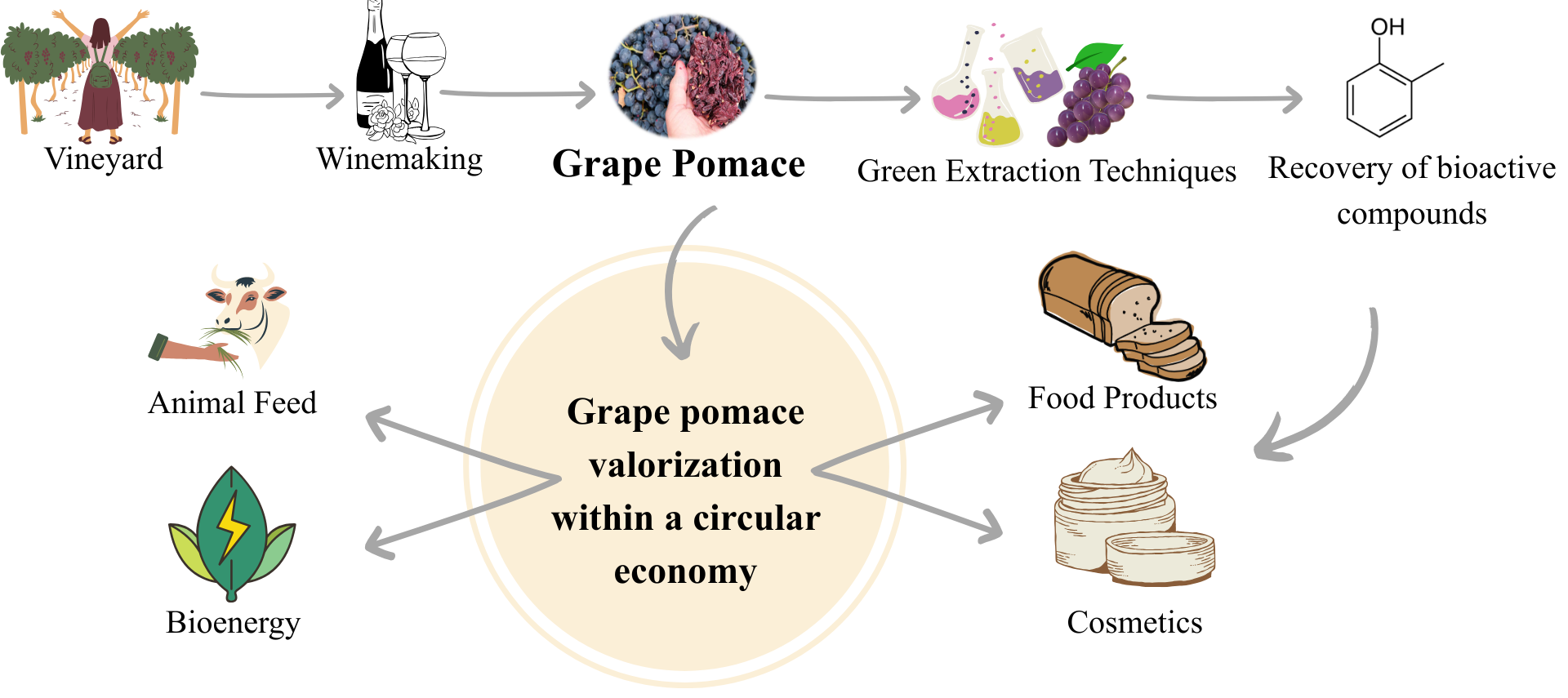
Every glass of wine leaves behind a mountain of grape skins and seeds—once discarded as waste, now a treasure trove of health-boosting compounds. Could this by-product hold the key to a greener, more sustainable industry?
Wine production is a global agricultural giant, but it comes with a messy secret: tons of grape pomace—the skins, seeds, and stems left after pressing. For centuries, this residue was tossed aside. Now, scientists see it as a goldmine of bioactive compounds, including polyphenols, dietary fibers, and flavonoids, which boast antioxidant, anti-inflammatory, and antimicrobial powers. The exact cocktail of these molecules, however, is no fixed recipe; it shifts with grape variety, winemaking techniques, and extraction conditions, making each batch a unique chemical puzzle.
Key Points
- Grape pomace is a rich source of bioactive compounds.
- Extraction methods evolve from traditional to green technologies.
- Valorization supports circular economy and waste reduction.
Comments
No comments yet — be the first.