Green extraction and biological activity of phenolic extracts from cashew nut testa using a combination of enzyme and ultrasound-assisted treatments
What if the secret to unlocking the full healing power of yarrow lies not in the plant itself, but in how we brew it? A new study reveals that modern extraction methods can dramatically boost the antioxidant content of Achillea extracts.
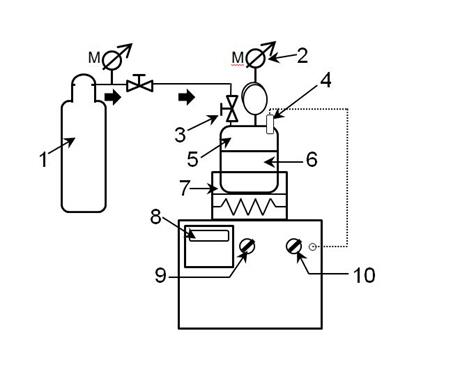
The genus Achillea, commonly known as yarrow, has long been revered for its medicinal potential, thanks to a treasure trove of bioactive compounds. But to tap into that potential, you need the right extraction method. This study pitted traditional techniques—infusion and maceration—against cutting-edge ones: ultrasound-assisted extraction (UAE) and subcritical water extraction (SWE).
Across five different Achillea species, the researchers measured extraction yield, total phenolic content (TPC), and total flavonoid content (TFC). The verdict? Non-conventional techniques came out on top, delivering significantly higher levels of these health-promoting compounds.
SWE proved particularly powerful, boosting both yield and phenolic content across all species. The highest yield hit 48.80% in A. asplenifolia, while SWE also produced peak TPC values in A. millefolium (93.63 mg GAE/g) and A. crithmifolia (90.12 mg GAE/g). Meanwhile, UAE shone for flavonoids, with A. nobilis subsp. nelreichii topping the charts at 11.11 mg QE/g.
The takeaway? Subcritical water extraction emerges as the superior green technique, and A. nobilis subsp. nelreichii stands out as a promising candidate for future medicinal applications. It's a reminder that sometimes, the method is just as important as the plant.
Key Points
- Non-conventional methods boost phenolics and flavonoids.
- Subcritical water extraction yields highest phenolics in Achillea.
- A. nobilis subsp. nelreichii excels in flavonoid content.
Comments
No comments yet — be the first.