Green Extraction and Liposomal Encapsulation of Inonotus obliquus (Chaga) Extracts: Comparative Phytochemical and Antioxidant Analysis
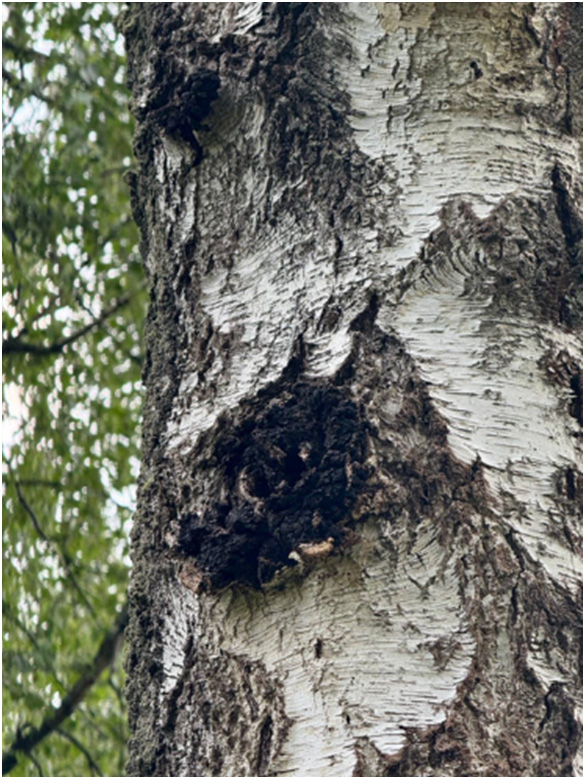
What if the key to unlocking a fungus's full antioxidant power lies not just in what you extract, but how? A new study reveals that the humble extraction method can make or break the potency of Chaga, a medicinal mushroom.
Chaga, a fungus that looks like burnt charcoal clinging to birch trees, is a treasure trove of bioactive compounds. But getting those compounds out is a delicate art. Scientists compared three green extraction methods—maceration, ultrasound-assisted extraction (UAE), and a combined supercritical CO2-pressurized liquid extraction (ScCO2-PLE)—using water and ethanol mixtures as solvents. The choice of solvent and technique dramatically shifted the chemical profile and antioxidant activity of the extracts. UAE, especially with 50% and 70% ethanol, won the day, pulling out the highest amounts of phenolic and triterpenoid compounds. These extracts also showed stellar radical scavenging, neutralizing over 98% of DPPH radicals and over 91% of hydroxyl radicals. The key players? Phenolic and triterpenoid compounds, including fungal-specific polyphenols like hispidin and hispolon, as identified by advanced HPLC-Orbitrap analysis. The most potent extracts were then loaded into liposomes—tiny fat bubbles that can deliver drugs or nutrients. Encapsulation preserved the antioxidant activity beautifully, suggesting that Chaga liposomes could offer a stable, controlled-release format for nutraceuticals or therapeutics. This study highlights that optimizing extraction and encapsulation together is a winning strategy for harnessing Chaga's full potential.
Key Points
- UAE with 50-70% ethanol maximized phenolic and triterpenoid recovery.
- Extracts showed >98% DPPH and >91% hydroxyl radical scavenging.
- Liposomal encapsulation preserved antioxidant activity for controlled delivery.
Comments
No comments yet — be the first.