Green Extraction and NMR Analysis of Bioactives from Orange Juice Waste
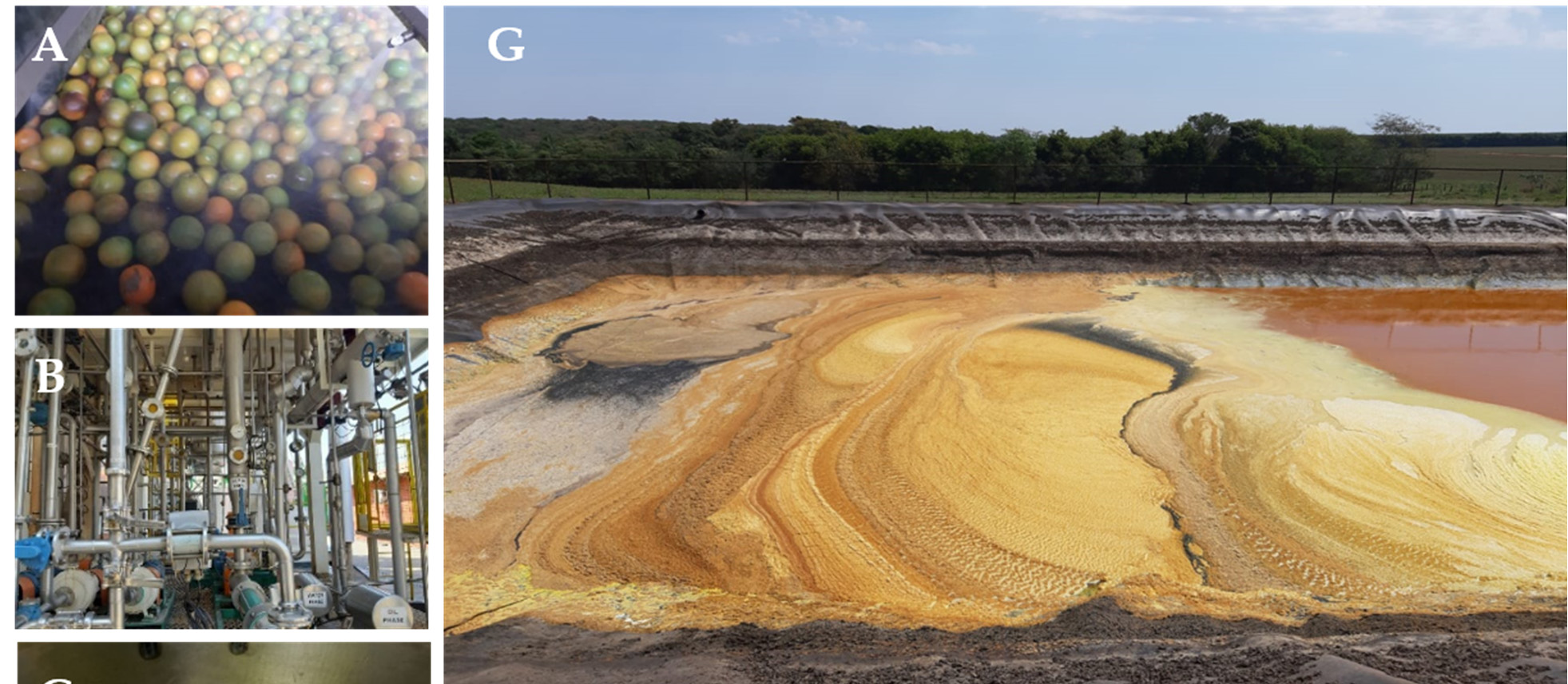
Brazil produces a quarter of the world's oranges—and over half of that ends up as waste. But scientists have found a way to turn this environmental problem into a treasure trove of valuable compounds.
Orange juice production leaves a massive footprint: Brazil, the global leader, generates over 50% waste from its orange harvest. This by-product, rich in bioactive compounds, often becomes an environmental hazard. But a new study flips the script, using microwave-assisted extraction—a green, energy-efficient method—to recover valuable molecules from this discarded pulp and peel.
The team then analyzed the extracted compounds with nuclear magnetic resonance (NMR) and gas chromatography–mass spectrometry (GC–MS). They successfully identified key bioactives, including D-limonene (the citrusy scent), valencene (a flavor compound), hesperidin (an antioxidant), and carbohydrates. NMR proved to be a powerful tool, not only tracing these compounds but also semi-quantifying them.
The standout result? Microwave-assisted extraction yielded high-purity hesperidin, confirmed by NMR at 87.66% and HPLC at 84.30%. This eco-friendly approach not only reduces waste but also offers a sustainable pathway to recover high-value ingredients for food, cosmetics, and pharmaceuticals—turning a problem into a resource.
Key Points
- Brazil generates >50% waste from orange production.
- Microwave-assisted extraction recovers bioactives sustainably.
- Hesperidin purity confirmed: 87.66% NMR, 84.30% HPLC.
Comments
No comments yet — be the first.