Green Extraction Approach for Isolation of Bioactive Compounds in Wild Thyme (Thymus serpyllum L.) Herbal Dust—Chemical Profile, Antioxidant and Antimicrobial Activity and Comparison with Conventional Techniques
What if the dust left behind from wild thyme could be a treasure trove of natural compounds? A new study shows that a green extraction method can outperform traditional techniques, unlocking potent antioxidants and antimicrobials from this overlooked byproduct.
Wild thyme herbal dust—often discarded as waste—holds a hidden chemical wealth. Scientists compared three extraction methods: traditional hydrodistillation and Soxhlet extraction, and a novel supercritical fluid extraction (SFE). The goal was to isolate essential oils and lipid extracts, then test their antioxidant and antimicrobial powers.
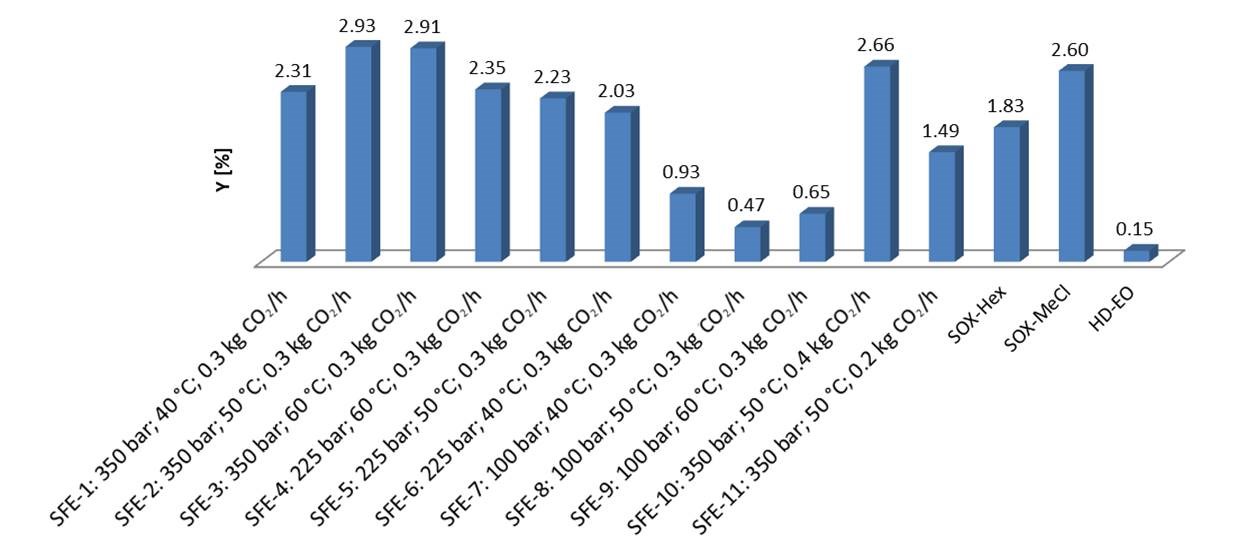
The results were striking. SFE not only yielded a richer profile of monoterpenes but also produced extracts with superior antioxidant, antibacterial, and antifungal activity compared to conventional techniques. This green method uses pressurized carbon dioxide, leaving no toxic residues—a win for both science and the environment.
These SFE extracts could replace synthetic additives in food, or serve as natural ingredients in pharmaceuticals and cosmetics. The study highlights that sustainable extraction isn't just eco-friendly; it's more effective. Turning waste into valuable bioactives might be the future of natural product research.
Key Points
- SFE outperformed traditional methods in yield and selectivity.
- Extracts showed strong antioxidant, antibacterial, and antifungal activity.
- Green SFE extracts are promising for food, pharma, and cosmetics.
Comments
No comments yet — be the first.