Green extraction, chemical profile and biological activity of waste products from the olive oil industry: From waste to wealth
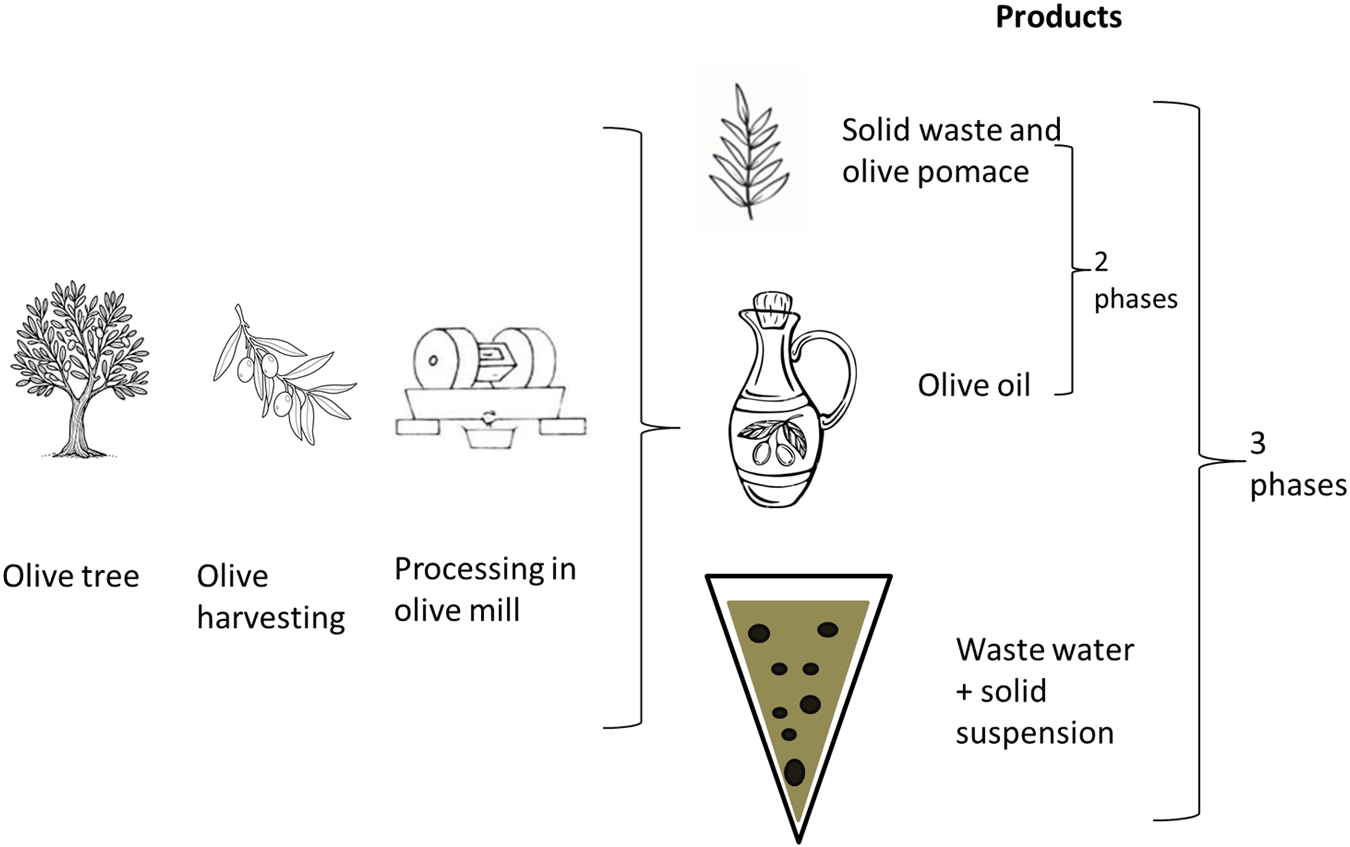
Olive oil production leaves behind millions of tons of waste each year—but what if that waste holds the secret to natural antioxidants?
Olive oil is the world's favorite vegetable oil, but its production comes at a cost: enormous amounts of liquid and solid residues that are expensive and tricky to dispose of. Instead of treating these by-products as trash, a new study asks a bold question: can we turn them into treasure? The answer lies in green chemistry—using eco-friendly methods to extract valuable bioactive compounds from olive mill waste.
Researchers optimized an extraction process using a design of experiments (DoE) approach, then analyzed the chemical profile with HPLC-PDA. They focused on pomace and washing water from 2-phase, 2.5-phase, and 3-phase extra virgin olive oil (EVO) production plants. The 2.5-phase pomace gave the best results, with extraction time and temperature playing key roles in efficiency.
The method proved versatile: when applied to other types of pomace and agro-industrial by-products, it delivered excellent extraction yields. This means a single green protocol could work across different waste streams, turning pollution into a source of natural antioxidants. It's a win-win for both the environment and the economy—waste becomes wealth, and sustainability gets a practical boost.
Key Points
- Green extraction optimizes recovery of antioxidants from olive mill waste.
- 2.5-phase pomace yields best efficiency; time and temperature matter.
- Method works across various by-products, boosting extraction yields.
Comments
No comments yet — be the first.