Green extraction of antimicrobial bioactive compound from piper betle leaves: Probe type ultrasound-Assisted extraction Vs supercritical carbon dioxide extraction
Two cutting-edge green technologies go head-to-head in the quest to unlock the antimicrobial secrets of betel leaves—which one will come out on top?
The humble betel leaf, long revered in traditional medicine, is now the focus of a modern extraction showdown. Scientists are comparing two environmentally friendly methods to pull out its antimicrobial bioactive compounds: probe-type ultrasound-assisted extraction and supercritical carbon dioxide extraction. Both promise efficiency without the toxic solvents of the past.
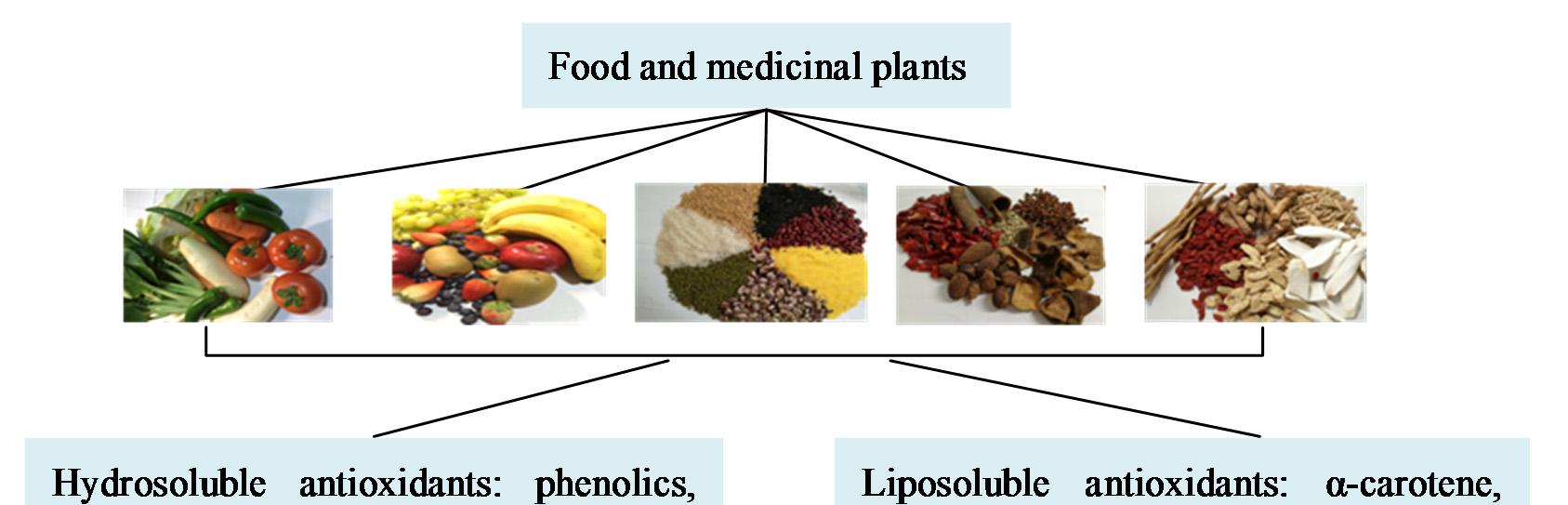
Natural antioxidants, especially polyphenols and carotenoids, are abundant in food and medicinal plants. They are not just antioxidants—they also show anti-inflammatory, anti-aging, anti-atherosclerosis, and anticancer effects. The key to harnessing these benefits lies in effective extraction and proper assessment.
This research dives deep into green extraction technologies, evaluating antioxidant activity at both chemical and cellular levels. It highlights the main sources of these valuable compounds from food and medicinal plants, paving the way for their use in functional foods, pharmaceuticals, and food additives.
The battle of the extractions is more than a technicality—it's about sustainable, effective ways to bring nature's protective molecules to our plates and medicine cabinets.
Key Points
- Green extraction methods: ultrasound vs. supercritical CO2
- Betel leaves yield antimicrobial bioactive compounds
- Polyphenols and carotenoids offer multiple health benefits
Comments
No comments yet — be the first.