Green extraction of carotenoids and oil produced by Rhodosporidium paludigenum using supercritical CO2 extraction: Evaluation of cell disruption methods and extraction kinetics
What if the key to vibrant, healthy food lies hidden inside a humble red yeast? Scientists have found a green way to unlock its golden treasures.
The quest for functional foods has turned scientists toward an unlikely hero: red yeast. This microbe is a natural factory for carotenoids and oils, compounds that could fortify our diets against chronic diseases. But extracting these intracellular gems without harsh chemicals has been a challenge. Enter supercritical CO2 extraction—a green technology that uses pressurized carbon dioxide as a solvent, leaving no toxic residue behind.
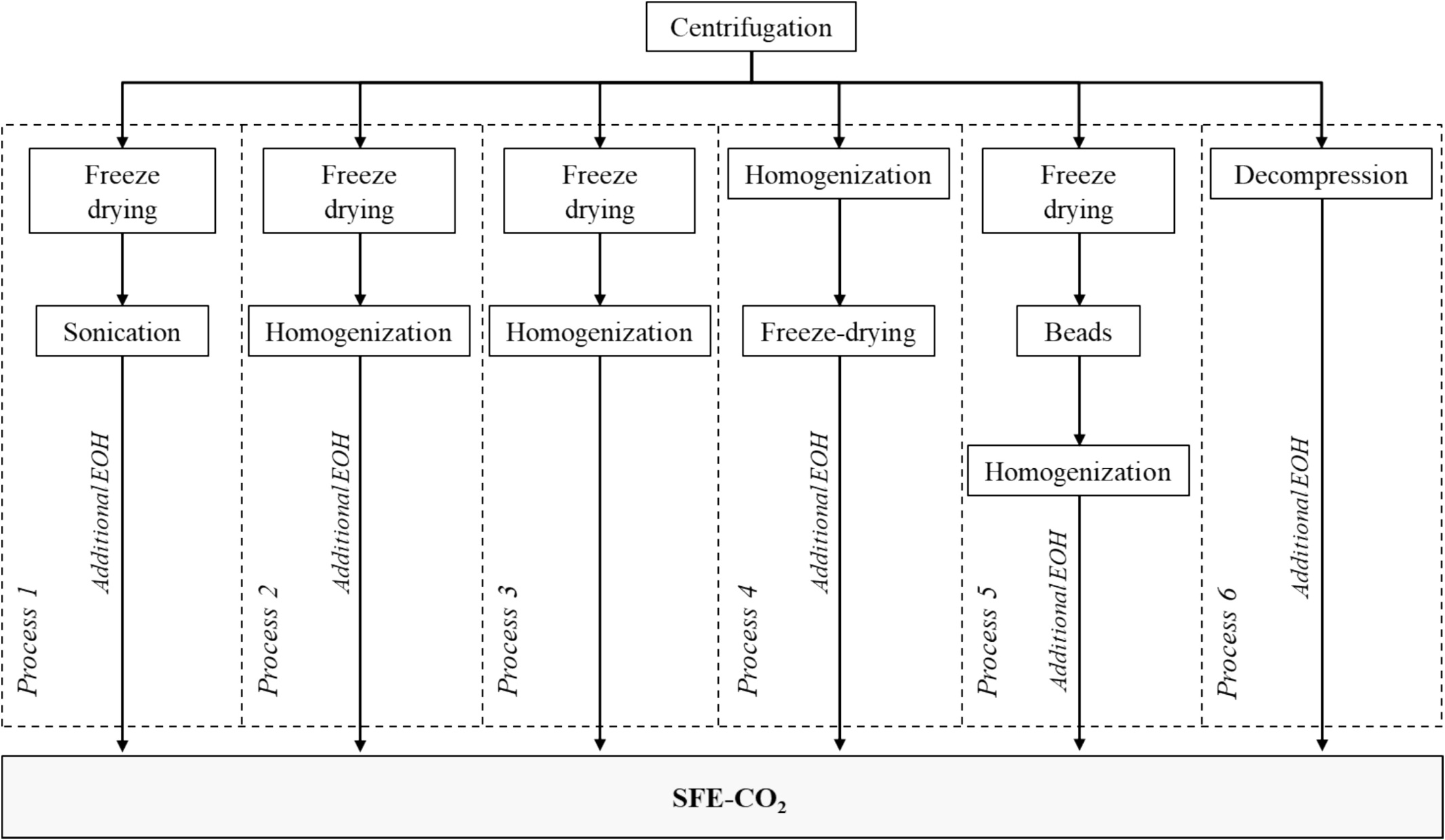
In a new study, researchers grew Rhodosporidium paludigenum in bioreactors and tested six ways to break open the cells before extraction. Homogenization proved the champion, releasing 80% of total carotenoids and 83% of microbial oil. They also discovered that adding ethanol as a co-solvent was essential for efficient recovery—without it, the process simply didn't work.
The extracted oil was rich in oleic acid, the same heart-healthy fat found in olive oil, while β-carotene dominated the carotenoid profile. This combination of high yields and clean processing brings us closer to integrating these functional compounds into everyday foods. It's a small step for a yeast, but a giant leap for sustainable nutrition.
Key Points
- Homogenization yields 80% carotenoids, 83% oil.
- Supercritical CO2 extraction is a green alternative.
- Ethanol co-solvent essential for efficient recovery.
Comments
No comments yet — be the first.