Green extraction of chickpea (Cicer arietinum)-based functional beverage: Assessment of nutritional quality and storage stability
What if your morning plant-based drink could be made greener, tastier, and more nutritious using just sound waves and microwaves? Scientists have found a way to boost protein and antioxidants in chickpea beverages—without compromising shelf life.
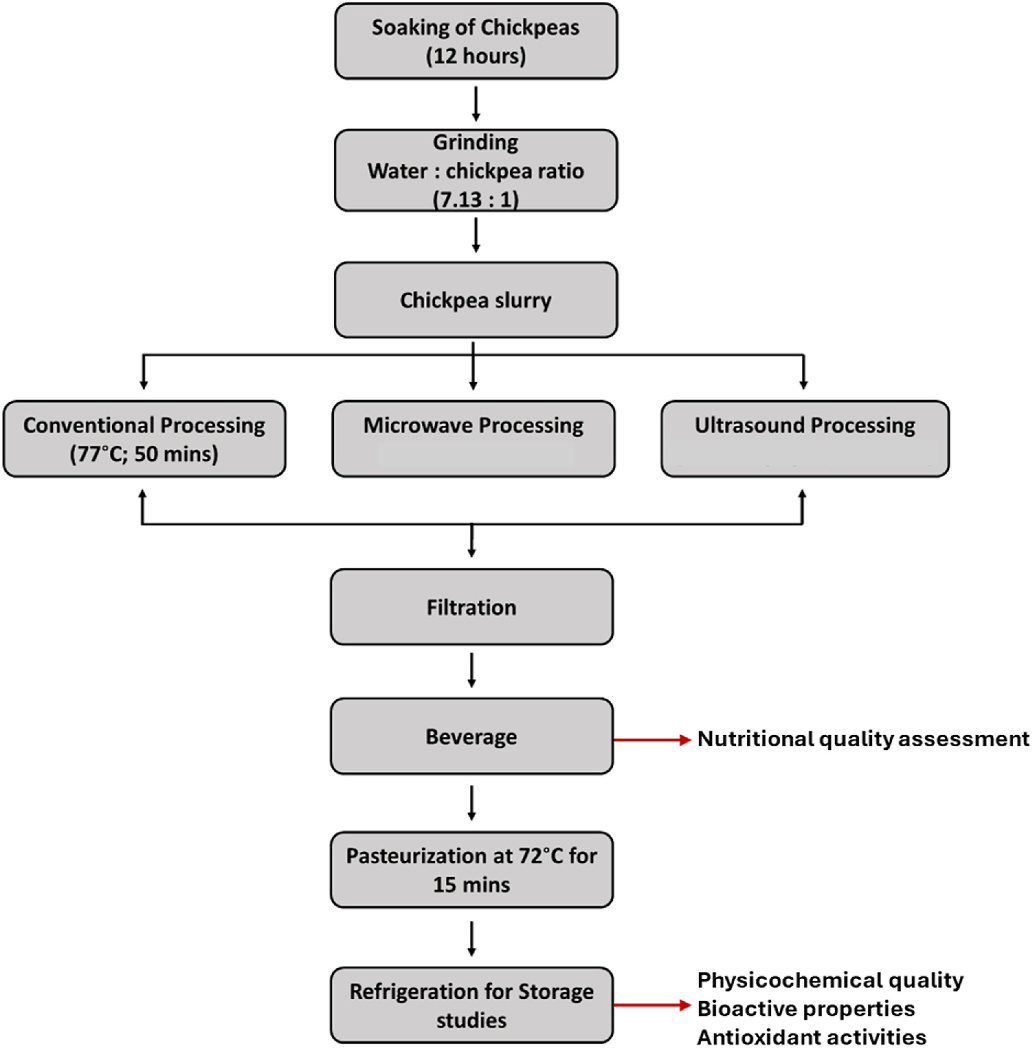
Forget the old ways of making plant-based drinks. Researchers at McGill University tested two modern techniques—ultrasound and microwave—against conventional processing for crafting a chickpea-based functional beverage. The goal? To see if these "green" methods could extract more nutritional goodness while keeping the drink stable over time.
The results were striking. Microwave processing emerged as the star, delivering a protein yield of 7.89 g per 100 g of beverage, with 18.54% protein solubility and an impressive 90.79% in vitro protein digestibility—all in just 6.7 minutes at 65.8°C. But the benefits didn't stop at extraction. Over 21 days of storage, microwave-treated beverages showed a remarkable 47.32% increase in total phenolic content and a 58.34% boost in total flavonoids, while keeping microbial counts lower than conventionally processed drinks.
Even better, the pH and acidity of the beverage remained stable, meaning the processing didn't compromise its basic quality. This isn't just about chickpeas—it's a glimpse into how sustainable, high-tech extraction could transform the future of plant-based nutrition.
Key Points
- Microwave boosts protein yield and digestibility in chickpea drinks.
- 47.32% rise in phenolics; 58.34% rise in flavonoids after storage.
- Ultrasound and microwave cut microbial counts, keeping quality stable.
Comments
No comments yet — be the first.