Green extraction of essential oils from Pistacia lentiscus resins: Encapsulation into Niosomes showed improved preferential cytotoxic and apoptotic effects against breast and ovarian cancer cells
What if a centuries-old tree resin could be transformed into a targeted weapon against cancer? Scientists have found a way to wrap its essential oils in tiny bubbles, boosting their power against breast and ovarian cancer cells.
The resin of Pistacia lentiscus, known as Chios mastic gum, has been valued for centuries. Now, its essential oils are showing promise in the fight against cancer. But these oils are volatile, hydrophobic, and poorly absorbed—traits that limit their therapeutic potential.
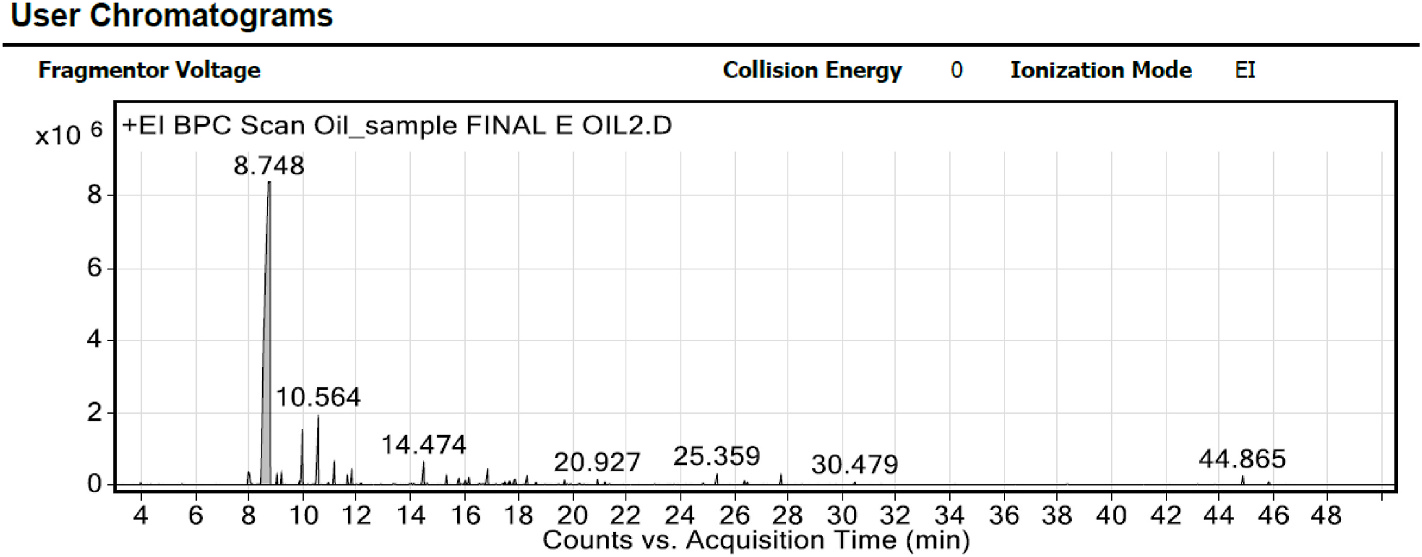
To overcome this, researchers used a green extraction method called hydrodistillation to obtain the oil. They then encapsulated it into niosomes, tiny spherical vesicles, using a thin-film hydration technique. The resulting nanoparticles were about 112 nm in size, with a high entrapment efficiency of 93.4%, and released the oil slowly over 72 hours.
In lab tests, these oil-loaded niosomes showed improved stability and enhanced cytotoxic and apoptotic effects against breast and ovarian cancer cells. The formulation outperformed the free oil, suggesting that encapsulation is key to unlocking the resin's anticancer potential.
This study highlights a sustainable, nature-inspired approach to cancer therapy, where traditional remedies meet modern nanotechnology.
Key Points
- Green hydrodistillation extracts oil from Chios mastic resin
- Niosome encapsulation improves stability and drug delivery
- Enhanced cytotoxic and apoptotic effects on cancer cells
Comments
No comments yet — be the first.