Green extraction of natural antioxidants from white grape waste using bio-renewable solvents and ultrasonic process intensification
Every glass of wine leaves a trail of waste—but that waste might just be a treasure trove of antioxidants, waiting to be unlocked with green chemistry.
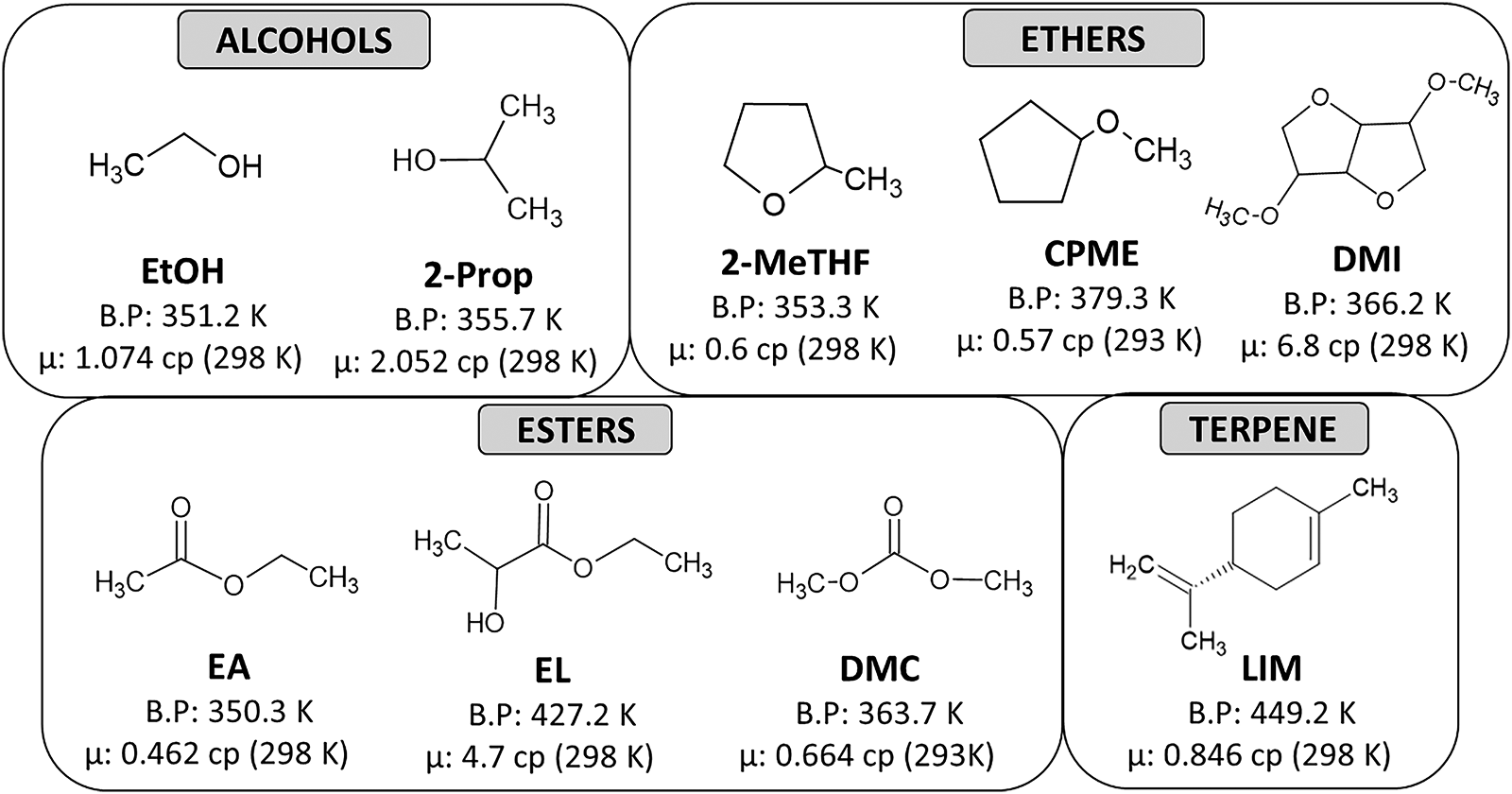
The winemaking industry churns out massive amounts of waste, yet this byproduct is packed with phenolic compounds—nature's powerful antioxidants. In a new study, researchers turned to bio-renewable solvents to extract these valuable molecules from white grape waste, offering a sustainable twist on traditional methods. They tested a range of green solvents, including alcohols, ethers, esters, and terpenes, optimizing time, temperature, and solid-to-liquid ratio along the way. Under the best conditions, ethanol shone brightest, yielding 9.43 mg of phenolic content per gram of waste, with 2-methyltetrahydrofuran close behind at 7.23 mg. The team also probed different waste fractions—skins and seeds—and used UV-Vis and HPLC-DAD to map the phenolic profile, confirming strong antioxidant activity. Notably, alcohols and ethers proved most selective, especially for catechin and gallic acid. But the innovation didn't stop there: they successfully recycled the solvents and recovered antioxidants as a solid fraction, while ultrasound assistance slashed both time and energy. This work is a shining example of the circular bioeconomy, transforming waste into high-value bioproducts that industry and society crave.
Key Points
- Ethanol yields highest phenolic content: 9.43 mg GAE/g waste
- Alcohols and ethers selectively extract catechin and gallic acid
- Ultrasound intensification cuts time and energy, enabling solvent recycling
Comments
No comments yet — be the first.