Green Extraction of Phytochemicals from Fresh Vegetable Waste and Their Potential Application as Cosmeceuticals for Skin Health
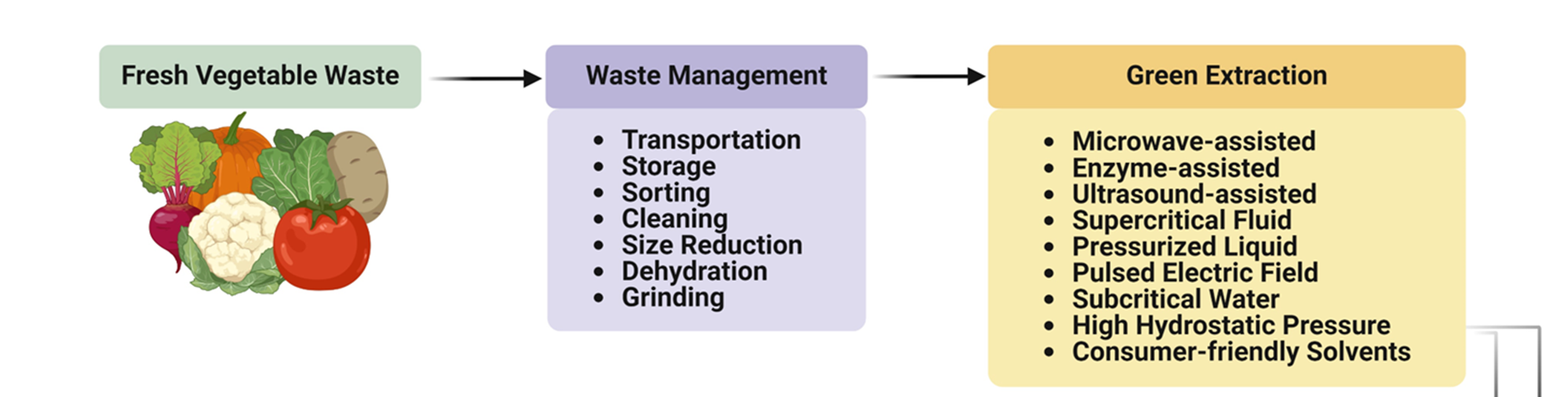
What if the vegetable peels you toss in the compost could become the next anti-aging skincare ingredient? Scientists are turning fresh produce waste into cosmeceuticals using eco-friendly extraction methods.
The quest for sustainable beauty is taking an unexpected turn: your kitchen scraps. New research highlights how bioactive compounds from fresh vegetable waste—think peels, seeds, and stems—are being harnessed for skin health. The catch? We need to extract them without harming the planet.
Traditional extraction methods are energy-hungry and rely on toxic solvents. Enter green extraction: a suite of innovative techniques including ultrasound, microwave, and supercritical fluid extraction. These methods are not only kinder to the environment but also highly effective at recovering valuable phytochemicals from vegetable and root crops.
These phytochemicals—carotenoids, polyphenols, glucosinolates, and betalains—are more than just plant pigments. They act as dietary antioxidants that neutralize free radicals caused by UV radiation. By doing so, they help prevent oxidative stress, DNA damage, and inflammation, making them ideal candidates for natural skincare formulations.
The review underscores a shift away from synthetic antioxidants, which may carry toxic or carcinogenic risks. By spotlighting recent research, it reveals how these natural compounds could serve as safer, greener alternatives in cosmeceuticals—turning waste into wellness.
Key Points
- Green extraction beats conventional methods for phytochemical recovery.
- Ultrasound, microwave, and supercritical fluids are key techniques.
- Vegetable waste antioxidants protect skin from UV damage.
Comments
No comments yet — be the first.