Green Extraction Processes for Complex Samples from Vegetable Matrices Coupled with On-Line Detection System: A Critical Review
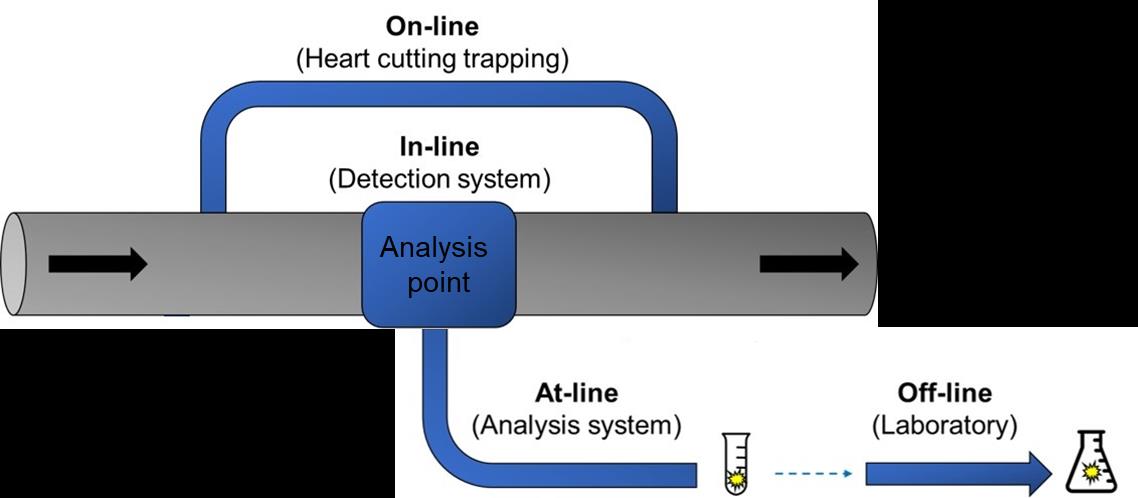
Imagine trying to find a needle in a haystack, but the needle is a bioactive compound and the haystack is a vegetable. That's the daily challenge for analytical chemists—until green extraction comes to the rescue.
Analyzing complex organic samples is like solving a puzzle where each piece must fit perfectly. The most tedious part? Sample preparation. It's time-consuming, error-prone, and can undermine the entire investigation. This review tackles that bottleneck head-on, exploring how green extraction techniques can streamline the process while keeping accuracy intact.
The authors dive into the pros and cons of extracting bioactive compounds, from automation to coupling with on-line detection systems. They also crunch the numbers with a longitudinal bibliometric analysis, using statistics to map trends, hot topics, and future directions in this field.
What's hot? For liquid samples, solid-phase extraction leads the pack in combined systems. For solids, supercritical fluid, ultrasound-assisted, microwave-assisted, and pressurized liquid extractions are the green champions. These methods not only reduce waste but also promise faster, cleaner analyses—good news for both science and the planet.
Key Points
- Sample prep is the biggest bottleneck in analysis.
- Green extraction cuts waste and boosts efficiency.
- Solid-phase extraction dominates for liquid samples.
Comments
No comments yet — be the first.