Green extraction technique to separate bioactive compounds from coffee husk waste using natural deep eutectic solvent based on choline chloride-proline
What if coffee waste could become a treasure trove of bioactive compounds? A new green extraction method using natural deep eutectic solvents (NADES) turns coffee husk waste into a source of health-promoting molecules.
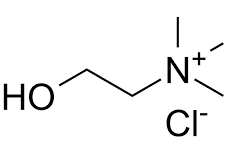
Coffee husk waste is often discarded, but it holds valuable bioactive compounds. Scientists are now turning to green chemistry to unlock this potential. They used a natural deep eutectic solvent (NADES) made from choline chloride and proline, a combination that is both environmentally friendly and effective. The extraction yielded 2.8% of compounds, a promising start for sustainable processes.
To identify what was extracted, the team used liquid chromatography-mass spectrometry (LC-MS). This powerful technique revealed 17 distinct compounds with specific m/z values. Among them, key players like caffeic acid, chlorogenic acid, and neochlorogenic acid were detected, each with its own retention time, indicating their unique chemical identities.
The most abundant compounds included 4,5-dicaffeoylquinic acid and D-(-)-quinic acid, along with a fatty acid derivative called DiHOME. These molecules are known for their antioxidant and anti-inflammatory properties, making them valuable for pharmaceutical applications.
This study highlights NADES as a green alternative to traditional solvents. By using waste materials, it offers a dual benefit: reducing environmental pollution and creating a sustainable source of bioactive compounds. The future of green chemistry looks brighter—and coffee waste just got a second life.
Key Points
- NADES (choline chloride-proline) extracts 2.8% yield from coffee husk.
- LC-MS identifies 17 compounds, including caffeic and chlorogenic acids.
- Green solvent offers sustainable pharmaceutical applications.
Comments
No comments yet — be the first.