Green seaweed Ulva spp. bioprocessing: Bioactive molecules, emerging extraction technologies, and industrial applications in the circular bioeconomy
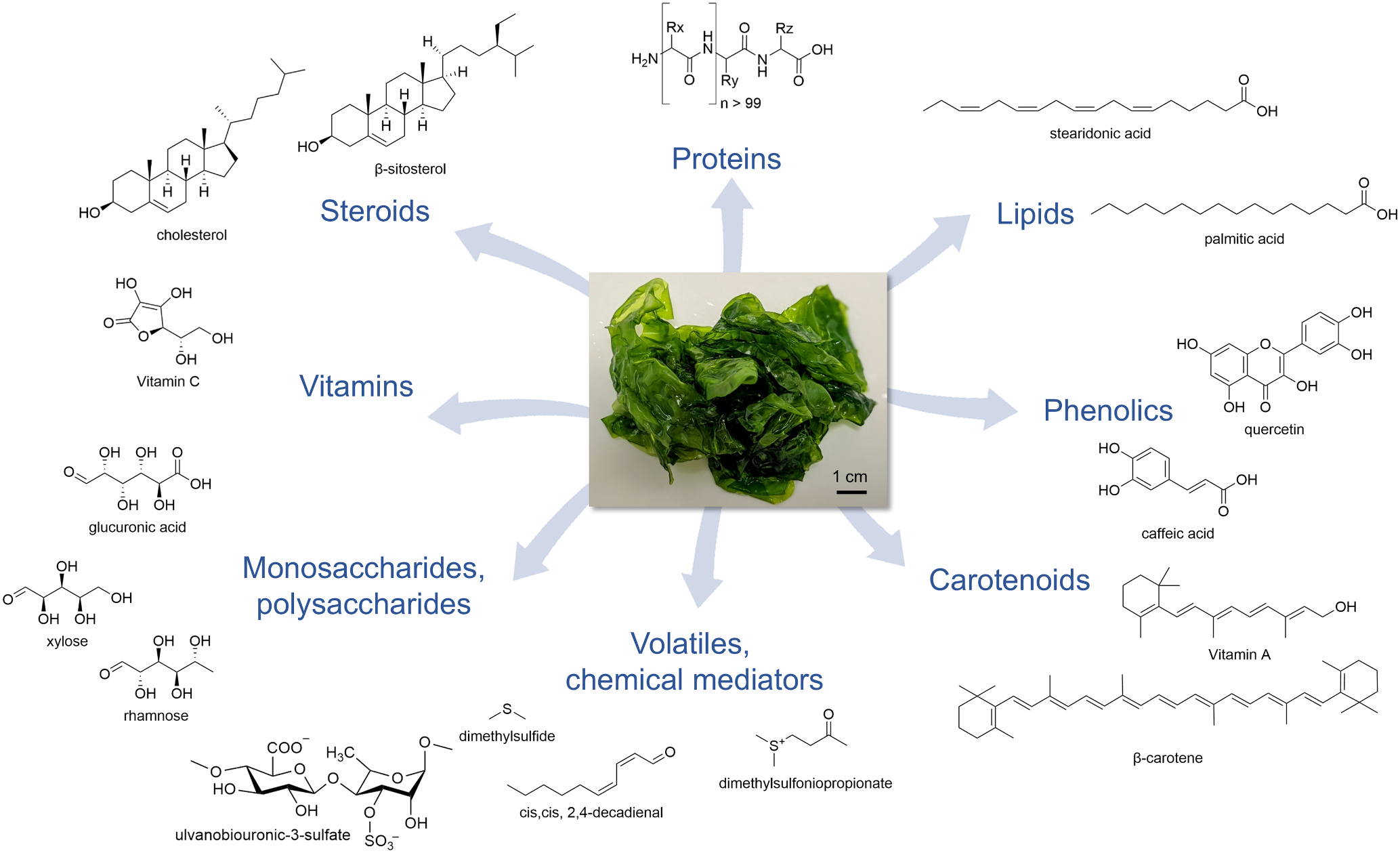
Sea lettuce isn't just a beach nuisance—it's a hidden treasure chest of bioactive molecules that could fuel a circular bioeconomy. But extracting those treasures has been a puzzle; now, green solvents and smart technologies are cracking it open.
For decades, the green seaweed Ulva—commonly known as sea lettuce—has been overlooked, washed ashore in masses. But beneath its humble appearance lies a cocktail of valuable compounds: omega-3 fatty acids like ALA and DHA, vitamins such as B12, and unique lipids like MGDG and DGDG. These molecules hold promise for food, health, and industry, yet unlocking them efficiently has been a bottleneck.
Traditional extraction methods often rely on harsh chemicals and high energy. The review explores emerging alternatives: microwave-assisted extraction (MAE), enzyme-assisted extraction (EAE), pulsed electric fields (PEF), and hydrothermal treatment. Most intriguingly, it highlights natural deep eutectic solvents (NADES)—green, tunable solvents made from natural compounds—as a sustainable substitute for conventional solvents.
The abstract maps the entire bioprocessing pipeline, from biomass to bioactive molecules, and situates Ulva within a circular bioeconomy. It also ties into integrated multitrophic aquaculture (IMTA), where seaweed cultivation can recycle nutrients from fish farming. Potential applications span from food additives to pharmaceuticals, including anticancer and antioxidant activities, though specific figures are not detailed in this abstract.
The authors call for more research to scale these technologies and fully realize Ulva's role in a sustainable future. The message is clear: the ocean's 'weed' could be a cornerstone of green industry.
Key Points
- Ulva is rich in bioactive molecules like omega-3s and B12.
- NADES and emerging tech offer greener extraction routes.
- Potential for circular bioeconomy via IMTA and industrial uses.
Comments
No comments yet — be the first.