High throughput analytical approach based on μQuEChERS combined with UHPLC-PDA for analysis of bioactive secondary metabolites in edible flowers
Move over, kale—there's a new superfood on the plate, and it's blooming with health benefits. Scientists have just unlocked the hidden chemical treasures in three common edible flowers.
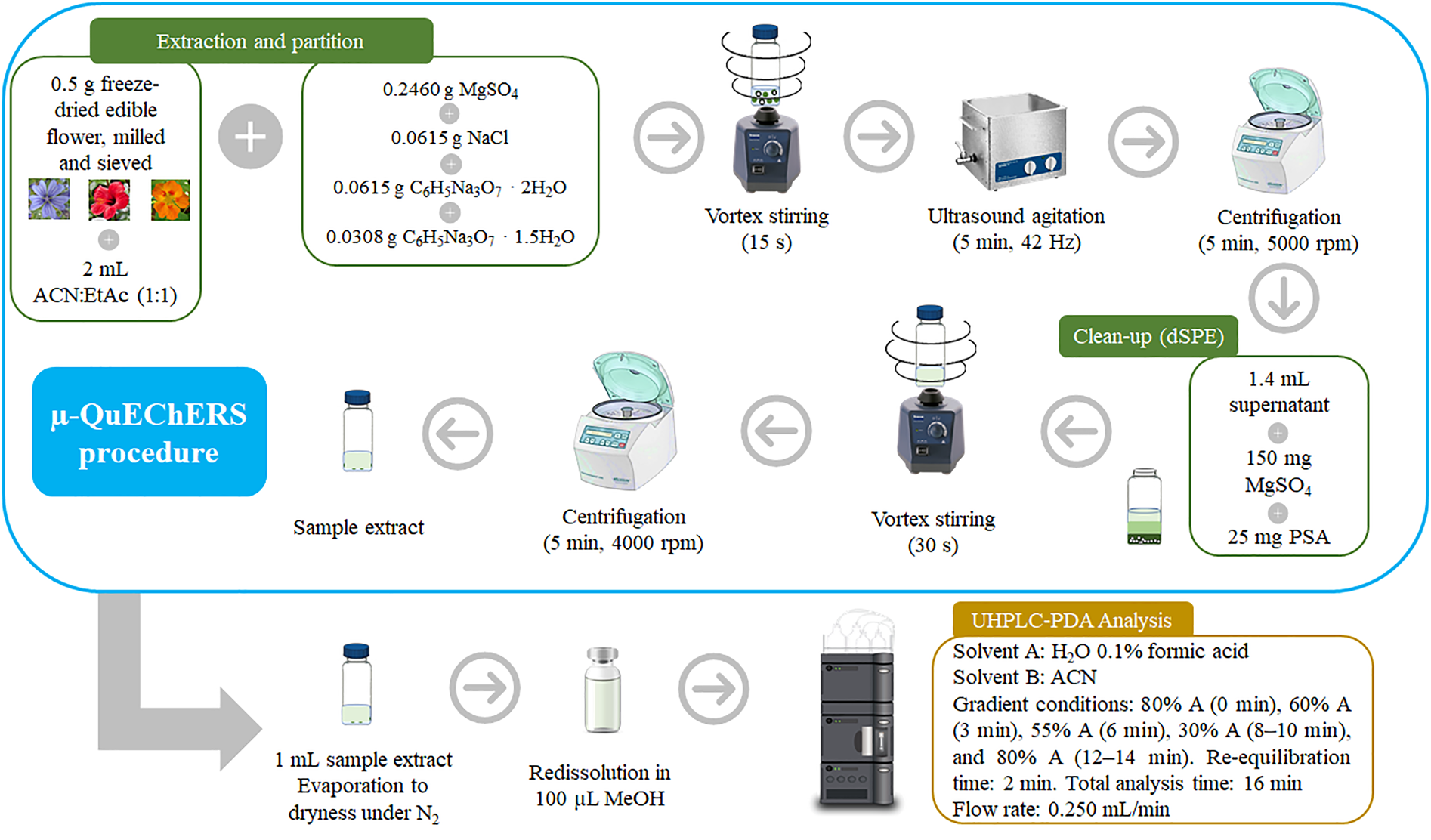
Forget the same old greens—gourmet plates are now adorned with vibrant petals, and for good reason. Researchers have zeroed in on mallow blue, hibiscus, and nasturtium, common edible flowers that are packed with bioactive secondary metabolites (BASMs). Using a cutting-edge, eco-friendly technique called μQuEChERS combined with ultra-high-performance liquid chromatography, they mapped out the unique chemical profiles of these blossoms.
The results are as colorful as the flowers themselves. Apigenin and epigallocatechin gallate dominate mallow blue, while catechin and dicaffeoylquinic acid take the lead in hibiscus, and myricitrin pairs with dicaffeoylquinic acid in nasturtium. But the plot thickens: hibiscus boasts the highest total polyphenol content, while nasturtium steals the show with the greatest radical scavenging activity—a key marker of antioxidant power.
This isn't just botanical trivia. The findings suggest these flowers could be more than a pretty garnish—they hold potential as ingredients in new functional foods designed to boost health. As the demand for natural, health-promoting foods grows, these petals might just be the next big thing on your plate.
Key Points
- μQuEChERS/UHPLC-PDA maps bioactive compounds in edible flowers.
- Hibiscus highest in polyphenols; nasturtium best antioxidant activity.
- Apigenin, catechin, myricitrin dominate respective flower profiles.
Comments
No comments yet — be the first.