Highly efficient extraction procedures based on natural deep eutectic solvents or ionic liquids for determination of 20-hydroxyecdysone in spinach
What if the key to unlocking a spinach's hidden power lies not in a toxic chemical, but in a green, eco-friendly solvent? Scientists have just found a way to extract a vital compound from spinach using nature's own ingredients.
Spinach, the leafy green superhero, hides a potent molecule called 20-hydroxyecdysone (20-E), a compound with promising biological activities. But getting it out has always been a challenge, often involving harsh solvents. Now, a team of researchers has developed a revolutionary extraction method using two types of green solvents: Natural Deep Eutectic Solvents (NADES) and Ionic Liquids (ILs). These are not your typical lab chemicals; they are designed to be environmentally friendly and highly efficient.
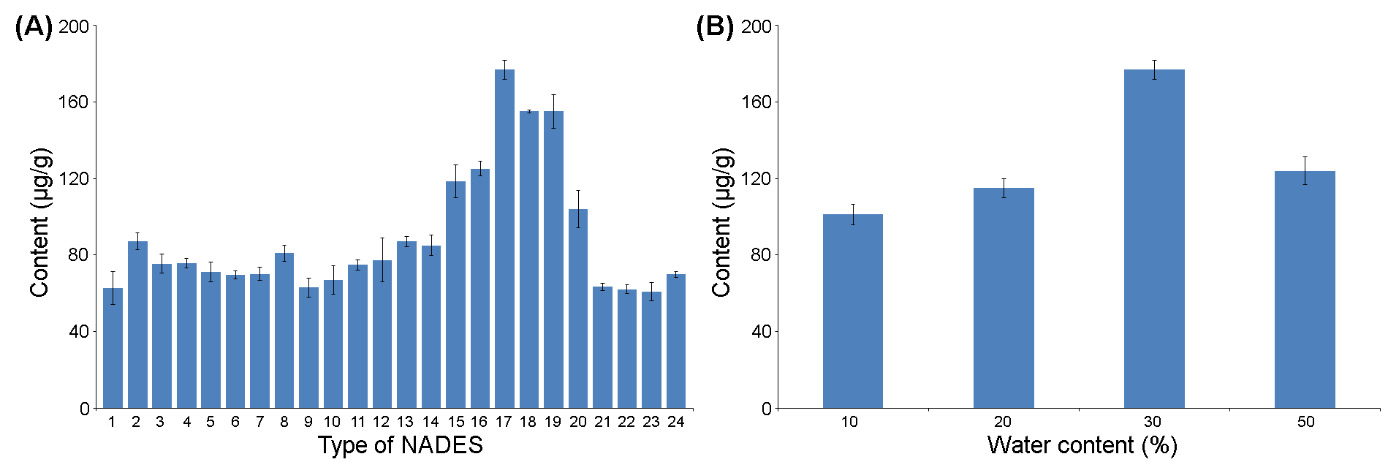
The team screened various NADES combinations and found that a 1:1 molar mixture of lactic acid and levulinic acid worked best, yielding the highest amounts of 20-E. For ILs, a specific combination of [TEA][OAc]·AcOH with a certain acetate ratio (χAcOH = 0.75) proved superior. They then optimized the solid-liquid extraction (SLE) parameters for both methods, achieving impressive recoveries of over 93% with NADES and 88% with ILs from real spinach samples.
The methods showed excellent linearity (0.5–30 µg/g) and low detection limits (0.17 µg/g), making them reliable for food analysis. The biggest win? These green solvents drastically cut extraction time and solvent use compared to traditional methods. This isn't just a lab trick; it's a step toward sustainable science, proving that we can get what we need from nature without harming it.
Key Points
- NADES and ILs are green solvents for extracting 20-E from spinach.
- Lactic acid:levulinic acid (1:1) NADES gives highest yields.
- Recoveries above 93% (NADES) and 88% (ILs) achieved.
Comments
No comments yet — be the first.