Impact of Green Extraction on Curcuminoid Content, Antioxidant Activities and Anti-Cancer Efficiency (In Vitro) from Turmeric Rhizomes (Curcuma longa L.)
Move over, traditional tea—turmeric's hidden powers are being unlocked by microwave magic, and they might just take on cancer cells.
Turmeric isn't just a spice for your curry—it's a chemical powerhouse. Scientists have long known that curcuminoids, the yellow compounds in turmeric, have health benefits. But getting them out of the root efficiently has been a challenge. Now, a new study shows that green extraction methods, particularly microwave-assisted extraction (MAE), are game-changers.
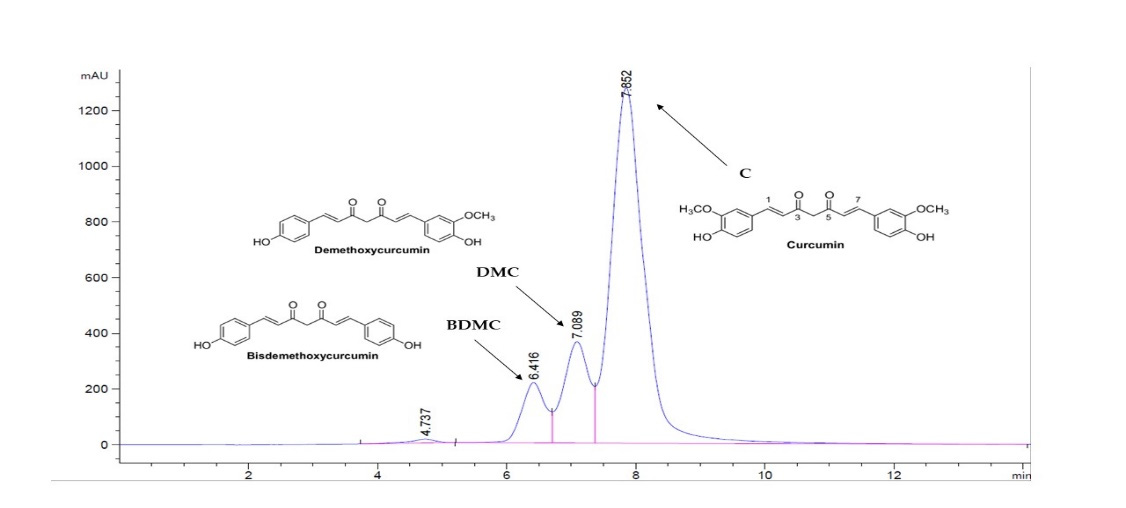
The researchers compared MAE with ultrasound-assisted extraction (UAE) and traditional extraction (TDE). MAE came out on top, yielding a whopping 17.89% dried extract, compared to 11.34% for UAE and a mere 5.54% for TDE. Not only that, but MAE also produced higher levels of antioxidants and curcuminoids—326.79 mg/g, versus 241.17 and 215.83 mg/g for UAE and TDE, respectively.
With the best extract in hand, the team tested its anticancer potential against liver (Huh7) and colon (HCT116) cancer cells. The results were promising: significant cytotoxic effects at concentrations from 31.25 to 1000.00 µg/mL. This suggests that MAE turmeric extracts could be a valuable tool in chemotherapy.
This research not only highlights a greener way to extract beneficial compounds but also provides scientific backing for turmeric's role as a functional food ingredient. The future of cancer treatment might just have a spicy twist.
Key Points
- MAE yields highest extract at 17.89%.
- MAE boosts antioxidant and curcuminoid levels.
- MAE extract shows cytotoxic effects on cancer cells.
Comments
No comments yet — be the first.