Improvement in the Extraction of Antioxidant-Related Compounds from Parastrephia quadrangularis (“tola”) Using Ethanol-Modified Supercritical Carbon Dioxide
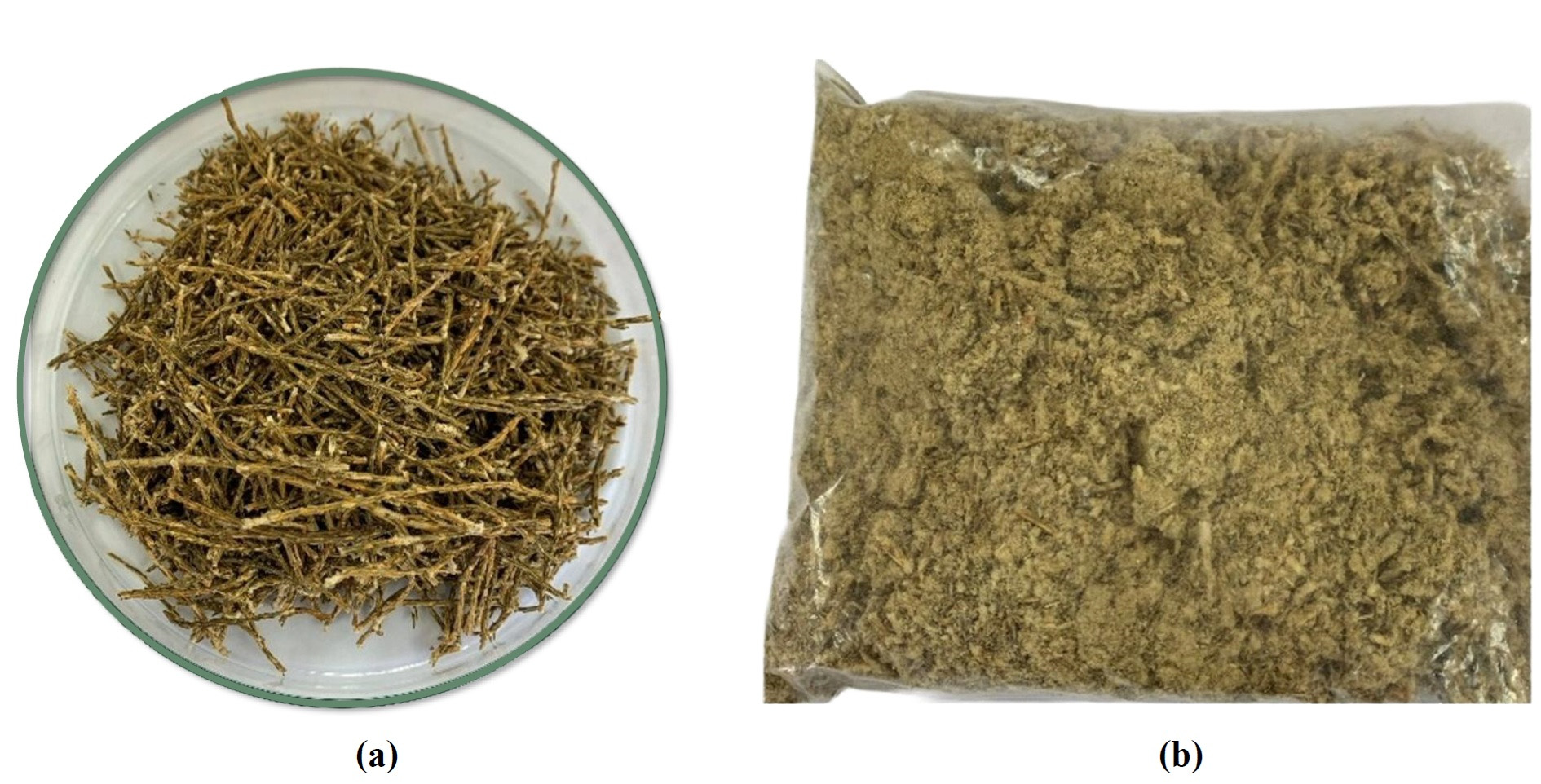
Deep in the Chilean Andes, a humble shrub called 'tola' has been quietly fighting inflammation for centuries. Now, science has found a high-tech way to supercharge its antioxidant power.
In the harsh, high-altitude landscape of the Chilean Altiplano, Parastrephia quadrangularis—known locally as 'tola'—has long been a go-to remedy for inflammation. But what gives this plant its healing touch? Scientists decided to find out by dissecting its aerial parts with gas chromatography–mass spectrometry (GC–MS). They compared traditional extraction methods with a more modern approach: supercritical fluid extraction (SFE), using carbon dioxide spiked with ethanol as a 'green' solvent. Through a 2³ factorial design, they tweaked temperature (30–60°C), pressure (15–45 MPa), and ethanol concentration (0–30% v/v) to see what mattered most. The results were clear: pressure and ethanol were the dynamic duo driving phenolic content and antioxidant activity, as confirmed by confocal microscopy. By fine-tuning the process, they predicted optimal conditions at 60°C, 45 MPa, and 30% ethanol. The fatty acid profile revealed a treasure trove of beneficial compounds—oleic, linoleic, linolenic, palmitic, lignoceric, and short-chain non-volatile acids. GC–MS also flagged metabolites that could explain the plant's traditional therapeutic reputation. This study shows that ethanol-modified SFE is not just a lab curiosity but a sustainable strategy to unlock the antioxidant potential of ancestral medicinal plants.
Key Points
- Ethanol-modified supercritical CO2 boosts antioxidant extraction from tola.
- Pressure and ethanol are key drivers of phenolic content and activity.
- Optimal conditions: 60°C, 45 MPa, 30% ethanol, maximizing all responses.
Comments
No comments yet — be the first.