In Silico-Assisted Isolation of trans-Resveratrol and trans-ε-Viniferin from Grapevine Canes and Their Sustainable Extraction Using Natural Deep Eutectic Solvents (NADES)
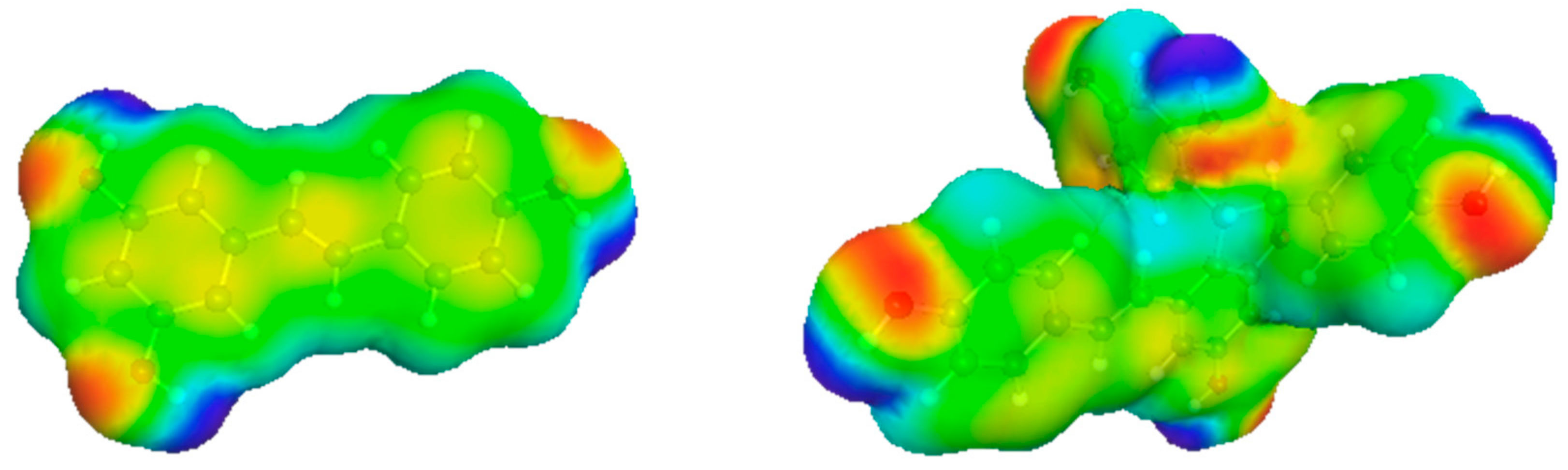
What if the key to unlocking grapevine's hidden treasures lies not in the lab, but in a computer simulation? Scientists are now using in silico methods to isolate powerful antioxidants from grapevine canes, reducing the need for tedious trial-and-error experiments.
Grapevine canes, often discarded after pruning, are a goldmine of bioactive compounds called stilbenoids, including resveratrol and ε-viniferin. But extracting them efficiently and sustainably has been a challenge. Enter COSMO-RS, a computational model that predicts how solvents interact with target molecules, allowing scientists to screen thousands of solvent combinations without touching a pipette.
In this study, researchers used COSMO-RS to guide the isolation of these stilbenoids from grapevine cane extracts using a technique called high-performance countercurrent chromatography (HPCCC). They then turned to natural deep eutectic solvents (NADES)—green alternatives to traditional organic solvents—for the extraction step. By screening various hydrogen bond acceptors and donors, they identified a mixture of choline chloride and 1,2-propanediol that boosted extraction yields of resveratrol and ε-viniferin under ultrasonic assistance.
The combination of COSMO-RS for both NADES extraction and HPCCC solvent system design proved powerful. It not only made the process more sustainable but also slashed the number of preliminary experiments needed. This in silico-supported workflow is a game-changer for natural product research, making it faster, greener, and smarter.
Key Points
- COSMO-RS-guided isolation of stilbenoids from grapevine canes
- NADES with choline chloride/1,2-propanediol boosts extraction yields
- In silico workflow cuts preliminary experiments for natural products
Comments
No comments yet — be the first.