Influence of natural deep eutectic solvents on Artemisia ordosica Krasch. extraction: compositional characterization, mechanism and biological activities
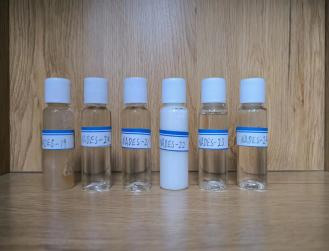
What if the secret to unlocking nature's pharmacy lies not in harsh chemicals, but in a simple blend of natural compounds? A new study reveals how these 'green' solvents dramatically boost the extraction of medicinal saponins from a traditional Chinese herb.
For centuries, the bulb of Lilium lancifolium has been prized in traditional Chinese medicine, packed with saponins—bioactive compounds with notable pharmacological effects. But extracting these valuable molecules has long been a challenge: conventional solvents are inefficient, costly, and highly flammable. Enter natural deep eutectic solvents (NADES), a new class of green solvents made from cheap, biodegradable components. In this study, researchers synthesized 24 NADES and screened them for stability, narrowing the field to 14 candidates. They then compared their performance against traditional ethanol extraction for pulling saponins from the lily bulb. The winner was NADES-15, a 2:1 mix of choline chloride and anhydrous citric acid. This solvent yielded a total saponin content of 46.6 mg/g—significantly higher than ethanol. But the benefits didn't stop at quantity. Advanced UHPLC-MS/MS analysis revealed that NADES-15 extracted a greater diversity of compounds: 31 identified, including all nine target steroidal saponins (lily saponin A–I), versus just 17 compounds and six saponins from ethanol. This work showcases NADES as a powerful, eco-friendly alternative for natural product extraction, promising both higher efficiency and broader chemical coverage.
Key Points
- NADES-15 (choline chloride:citric acid 2:1) extracted 46.6 mg/g saponins—higher than ethanol.
- UHPLC-MS/MS identified 31 compounds with NADES-15, including all 9 target saponins.
- NADES offer a green, efficient alternative to flammable organic solvents.
Comments
No comments yet — be the first.