Innovative Hydroponic Culture of Alkanna tinctoria (L.) Tausch: An Approach Towards Sustainable Extraction Process from Plant Roots
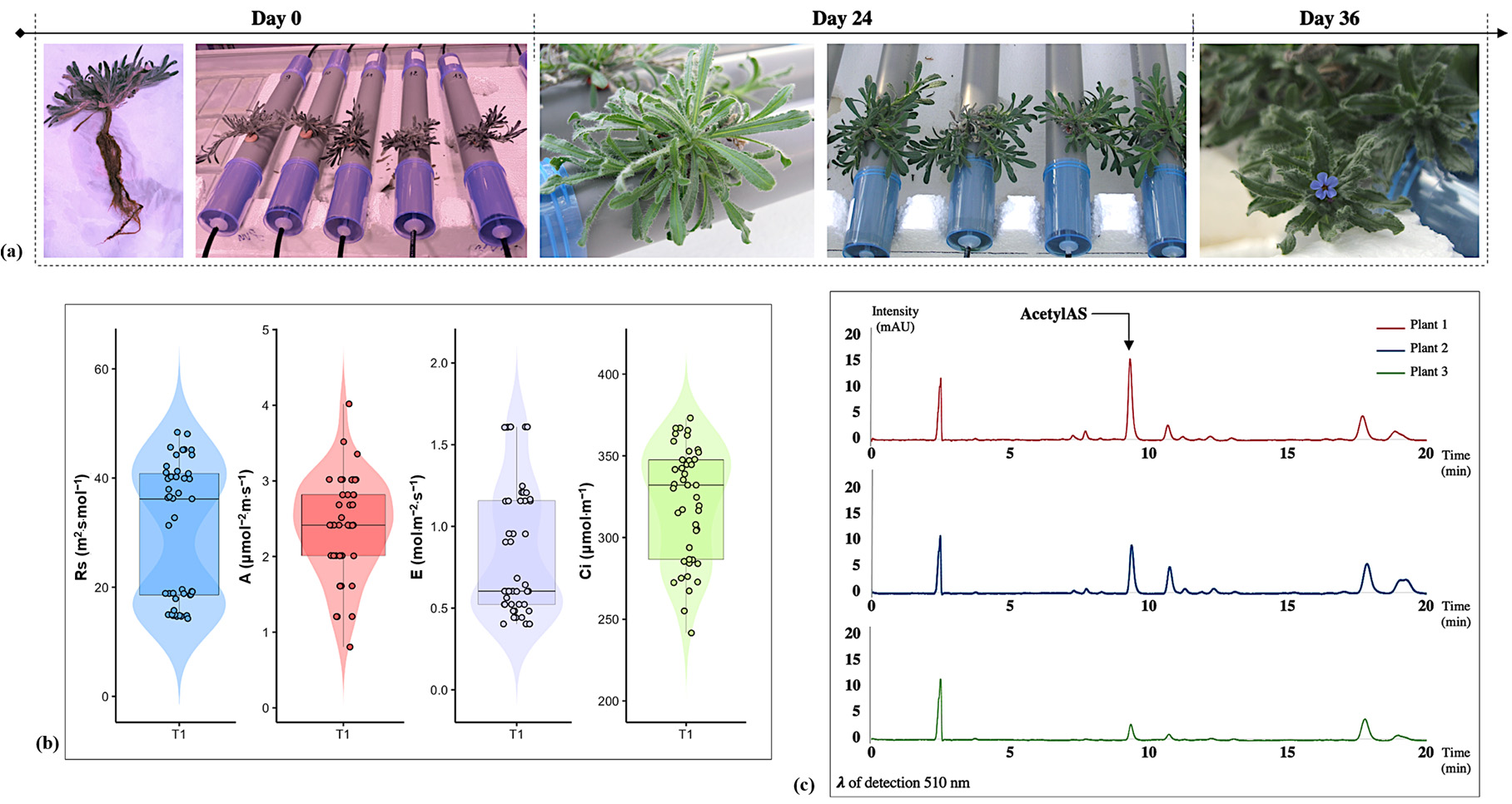
Can a medicinal plant thrive without soil, and even tolerate a green solvent? A new study says yes—but only for 24 minutes.
Alkanna tinctoria, a source of the coveted alkannin/shikonin compounds used in pharma and cosmetics, is in trouble. Overharvesting and a limited natural range threaten its future. But what if we could grow it in a greenhouse, suspended in water, and extract its treasures without killing it? That's the bold question behind a recent study.
Researchers set up a hydroponic system using the nutrient film technique, a method that bathes roots in a shallow, flowing nutrient solution. Under glass, the plants not only acclimatized but developed vigorous roots and began producing the valuable A/S derivatives. This alone is a win for conservation.
Then came the twist: could a natural deep eutectic solvent (NaDES)—an eco-friendly alternative to harsh chemicals—also serve as the growth medium? The team tested a bio-based solvent called LeG_5_20, made from levulinic acid and glucose. Short exposure of 24 minutes caused no harm, but longer contact (4–8 hours) stressed the plants, leading to leaf loss.
The message? Green extraction and sustainable cultivation are not mutually exclusive. With fine-tuning of plant age, exposure time, and system design, we might one day harvest precious metabolites without destroying the plant—or the planet.
Key Points
- Hydroponic NFT system grows Alkanna tinctoria with vigorous roots and A/S production.
- NaDES LeG_5_20 safe for 24 minutes, harmful after 4–8 hours.
- Green cultivation and extraction can be integrated for sustainability.
Comments
No comments yet — be the first.