Integrative analysis of Cichorium intybus L. Extracts: from NADES-Based extraction and UHPLC-Orbitrap®-HRMS to bioinformatics and machine learning
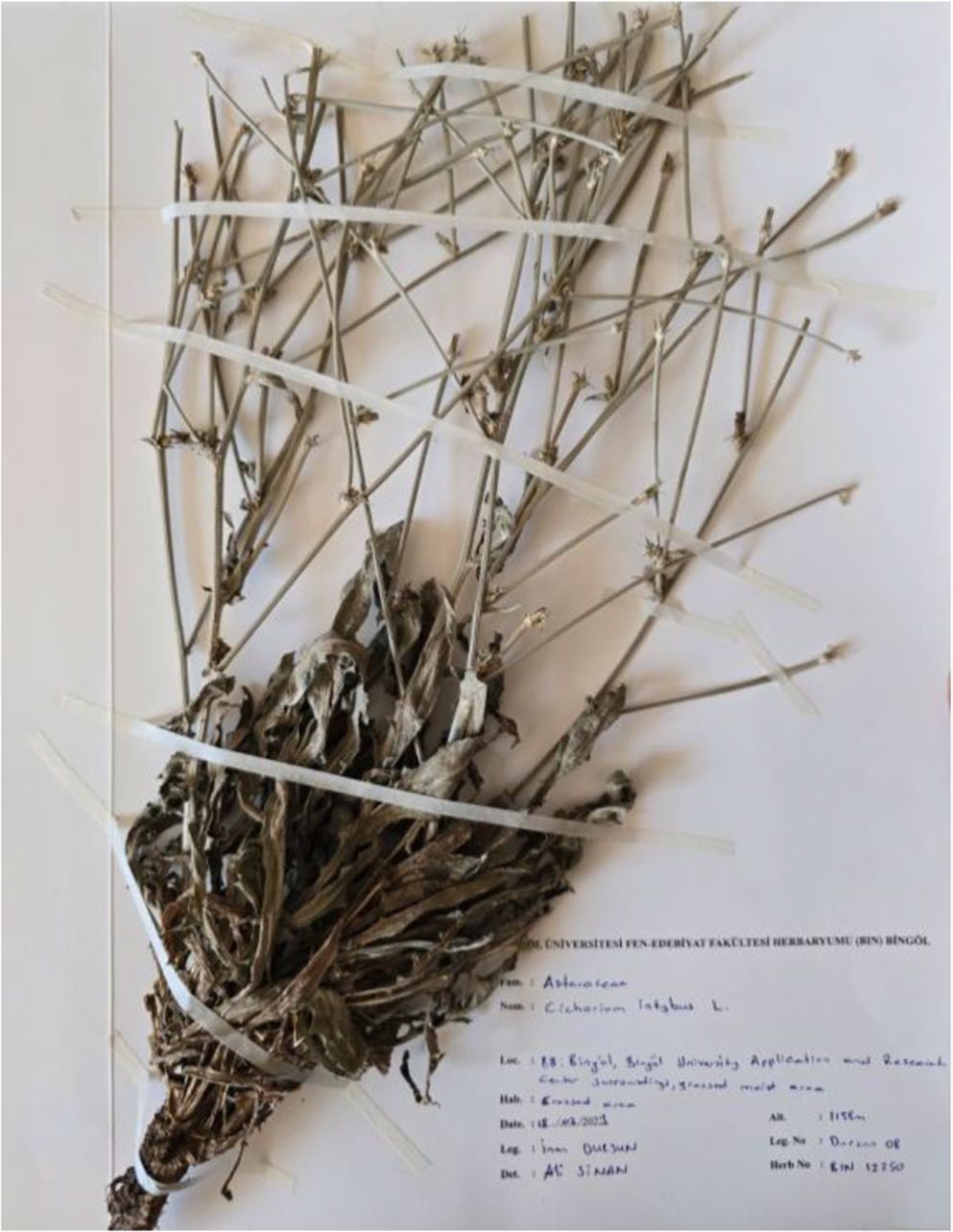
What if the key to unlocking a plant's hidden powers lies not in a harsh chemical, but in a natural, eco-friendly solvent? A new study on chicory reveals just that, using a 'green' solvent to boost beneficial compounds and predict their antioxidant strength with machine learning.
Chicory, a humble plant often overlooked, has just had its chemical secrets laid bare. Scientists compared traditional solvents like methanol with a Natural Deep Eutectic Solvent (NADES), a sustainable alternative. The result? NADES didn't just extract; it enriched the plant's profile, boosting glucuronidated flavonoids and hydroxycinnamic acids, including luteolin-7-O-glucuronide, quinic acid, and chlorogenic acid.
But the study didn't stop at identification. Using advanced mass spectrometry and chemometrics, the team distinguished clear patterns between extracts. Then, bioinformatics predicted potential molecular targets, linking the compounds to antioxidant and antimicrobial pathways. The real star, however, was the machine learning model. A Random Forest algorithm, validated with leave-one-out cross-validation, pinpointed quinic acid and flavonoid glucuronides as the main drivers of antioxidant activity, explaining over 92% of the variance with minimal error.
This isn't just about chicory. It's a blueprint for how we can study plants more intelligently. By combining green chemistry with powerful data analysis, we can uncover the full potential of natural products—sustainably and precisely.
Key Points
- NADES extraction boosts glucuronidated flavonoids and hydroxycinnamic acids in chicory.
- Machine learning (Random Forest) predicts antioxidant capacity with R² = 0.9225.
- Quinic acid and flavonoid glucuronides are key determinants of antioxidant activity.
Comments
No comments yet — be the first.