Low pH-assisted hydrothermal extraction approach to recover bioactive compounds from date seeds for their potential application in emulsion stabilization
Date seeds are the food industry's hidden treasure—yet most end up as waste. Could a simple acidic water treatment turn them into natural emulsion stabilizers?
Date seeds, a massive byproduct of the date palm industry, have long been undervalued. But a new study shows they might be the key to greener, cleaner emulsions. Researchers used a low pH-assisted hydrothermal extraction—essentially hot, acidic water—to pull out bioactive compounds from the seeds. The goal? To create a date seed extract (DSE) that could stabilize emulsions naturally, replacing synthetic additives.
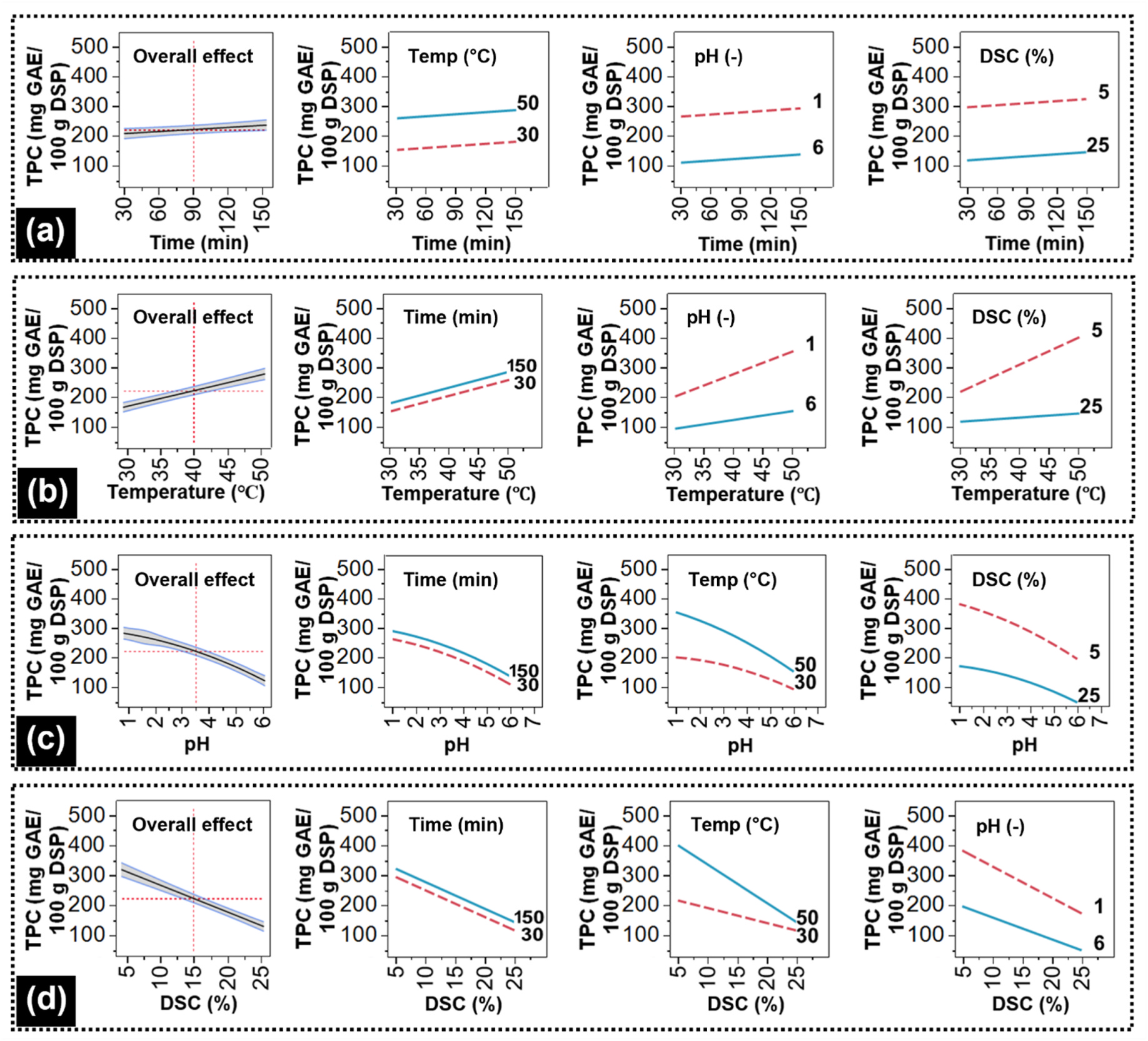
Using an I-optimal design, the team tested how extraction time, temperature, pH, and seed concentration affected the yield of polyphenols and the size of emulsion droplets. They found that time and temperature boosted both outcomes, while pH and seed concentration followed a more nuanced, quadratic pattern. The optimized extract produced emulsions that stayed stable under neutral to mildly acidic conditions, though they faltered when salt was added.
This isn't just about better emulsions—it's about turning waste into value. The findings suggest date seeds could become a sustainable source of functional ingredients for food and pharmaceuticals. But don't pop the champagne yet: more work is needed to improve salt tolerance and unlock the full potential of DSE in real-world products.
Key Points
- Low pH hydrothermal extraction recovers polyphenols from date seeds
- Time and temperature boost both polyphenol yield and emulsion stability
- Optimized extract stabilizes emulsions, but salt reduces stability
Comments
No comments yet — be the first.