Macroalgae as a source of valuable antimicrobial compounds: Extraction and applications
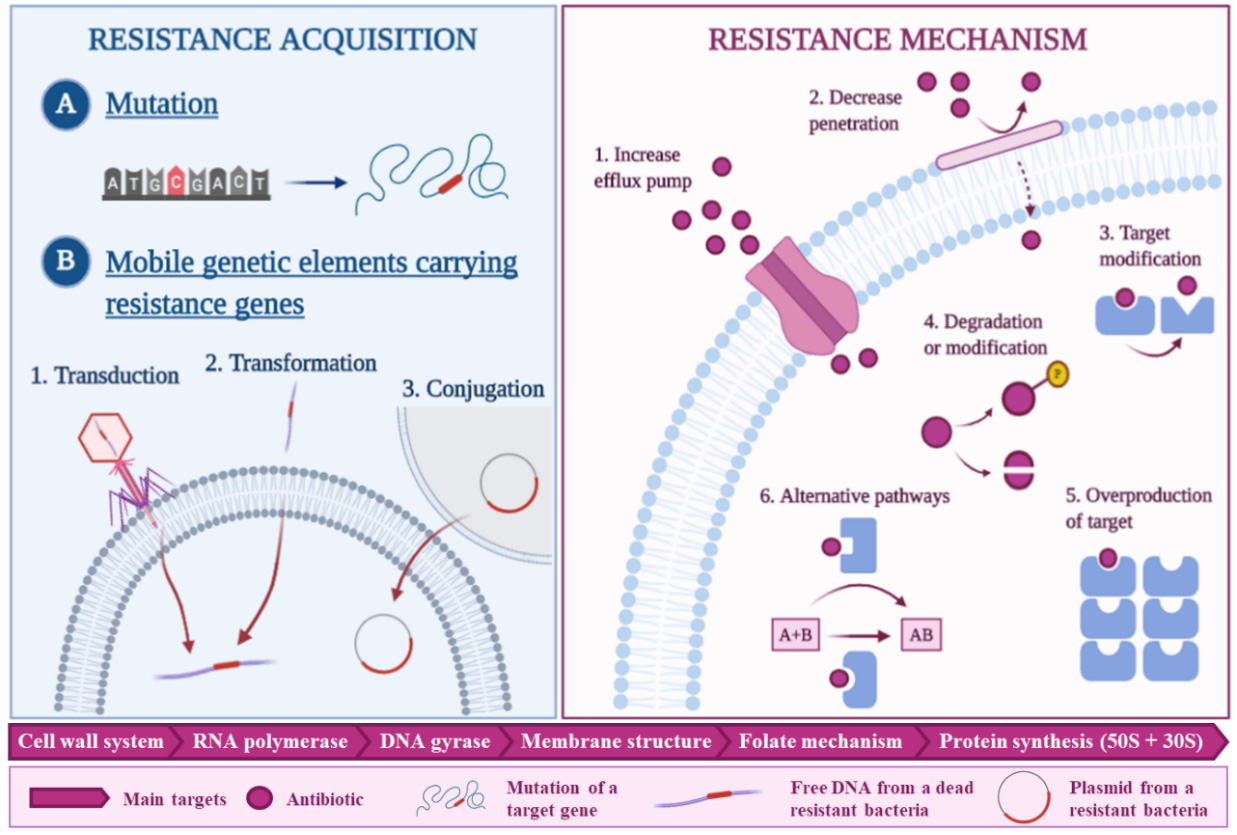
As microbes grow stubbornly resistant to current treatments, where should we look for the next generation of life-saving molecules? The answer might be swaying gently in the ocean tides.
Consumer preferences are shifting, and drug-resistant microorganisms are rising. Enter macroalgae. Long cherished for their rich chemical and nutritional makeup, seaweeds are a treasure trove of hidden biological powerhouses. From proteins and peptides to polysaccharides, polyphenols, polyunsaturated fatty acids, and pigments, these marine organisms pack serious antimicrobial potential. But unlocking these valuable compounds requires more than just harvesting; it demands sustainable chemistry. Traditional barriers are falling thanks to cutting-edge extraction methods. Scientists are now turning to novel liquid-liquid and solid-liquid techniques—including supercritical, ultrasound, microwave, enzymatic, high pressure, accelerated solvent, and pulsed electric fields—to recover these molecules profitably and cleanly.
Once extracted, these marine molecules are ready to work. Proposed applications span a remarkably wide industrial landscape. They can serve as natural preservatives in food and cosmetics, act as antibiotics in pharmaceuticals, or step up as antibiofilm agents, antifouling coatings, active food packaging, prebiotics, and even components in advanced nanoparticles.
This comprehensive review highlights the core antimicrobial prowess of macroalgae, diving deep into specific bioactive compounds, antibacterial and antifungal data, and the innovative green technologies required to harvest them efficiently.
Key Points
- Macroalgae offer valuable proteins, polyphenols, polysaccharides, and pigments.
- Novel green extraction technologies enable sustainable recovery of compounds.
- Applications range from food preservatives to pharmaceutical antibiotics.
Comments
No comments yet — be the first.