Mass transfer intensification in bioactive compounds recovery by alternative extraction methods: Effects of solvent
What if the secret to greener extraction lies in a humble mix of choline and glycerol, powered by sound and electricity?
Forget harsh solvents and heat. Scientists are turning to natural deep eutectic solvents (NADES) and non-conventional energy to coax valuable compounds from plants. This study explores how low-frequency ultrasound and pulsed electric fields can boost the recovery of phenolic compounds from selected plant species.
Using ultrasound at 100 W and 32 kHz, the team tested four NADES for extracting silymarin from milk thistle. A choline-chloride-based mixture with glycerol emerged as the star performer. Remarkably, high ultrasound power delivered more silymarin than traditional ethanol extraction, though it also caused a rapid temperature rise—a side effect to watch for heat-sensitive molecules.
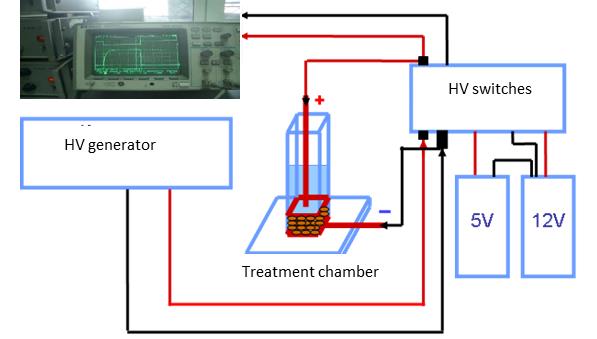
Pulsed electric fields (0.86 kV/cm, 13 Hz) offered a gentler path. A mere 0.8-second pre-treatment allowed researchers to cut ethanol concentration in water mixtures while keeping phenolic yields comparable, with little to no temperature increase.
The takeaway? By fine-tuning power intensity and choosing the right solvent, we can unlock efficient, mild extraction methods for fragile bioactive compounds—paving the way for greener, smarter processing.
Key Points
- Choline-chloride/glycerol NADES best for silymarin extraction.
- High ultrasound power boosts silymarin vs. ethanol.
- PEF pre-treatment cuts ethanol need, keeps yields.
Comments
No comments yet — be the first.