Menthol–thymol NADES as a fungicidal and chemosensitizing agent against multidrug-resistant Candida albicans: ROS induction, efflux pump inhibition, and synergy with fluconazole
A humble mix of mint and thyme could outsmart drug-resistant Candida — without inventing a single new molecule. This natural solvent doesn't just kill the fungus; it disarms its defenses and makes an old drug powerful again.
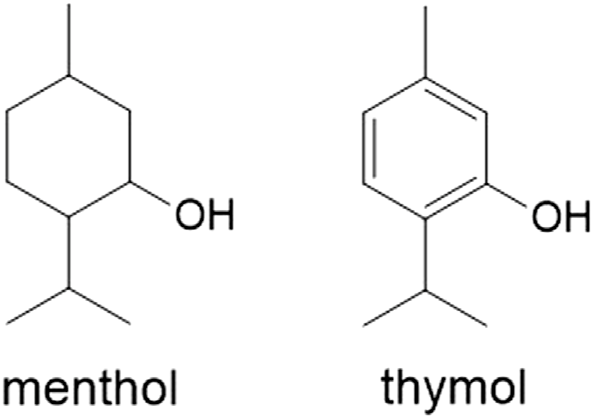
Drug-resistant Candida albicans is a growing nightmare in clinics, shrugging off standard azole treatments. But scientists have found an unexpected ally in the pantry: a 1:1 mix of menthol and thymol, forming a Natural Deep Eutectic Solvent (NADES). This green, terpene-based liquid isn't just a carrier — it fights on its own. Against a multidrug-resistant clinical strain, the mixture stopped fungal growth at just 180 μg/mL and killed it outright at 360 μg/mL. That's a solid fungicidal punch, outperforming either component alone, with menthol needing over five times that concentration to match the effect. The real magic, though, lies in teamwork. Combined with fluconazole, the NADES slashed the drug's effective dose dramatically — a fractional inhibitory concentration index of 0.2839 confirms true synergy, not mere addition. Mechanistically, the blend floods fungal cells with reactive oxygen species, overwhelming their oxidative defenses. It also inhibits efflux pumps, the molecular bouncers that normally kick azole drugs out before they can act. With both offense and defense compromised, the fungus has nowhere to hide. This study suggests that sustainable, natural solvents could be repurposed as potent antifungal weapons, offering a fresh strategy against a stubborn microbial foe.
Key Points
- MT NADES kills resistant C. albicans: MIC 180, MFC 360 μg/mL
- Synergy with fluconazole confirmed: FICI 0.2839
- Mechanism: ROS induction plus efflux pump inhibition
Comments
No comments yet — be the first.