Methodological Aspects of Green Extraction of Usnic Acid Using Natural Deep Eutectic Solvents
What if the key to unlocking a powerful natural compound lies in a mixture of thyme and camphor—not harsh chemicals? A new study shows this green solvent can outperform traditional acetone.
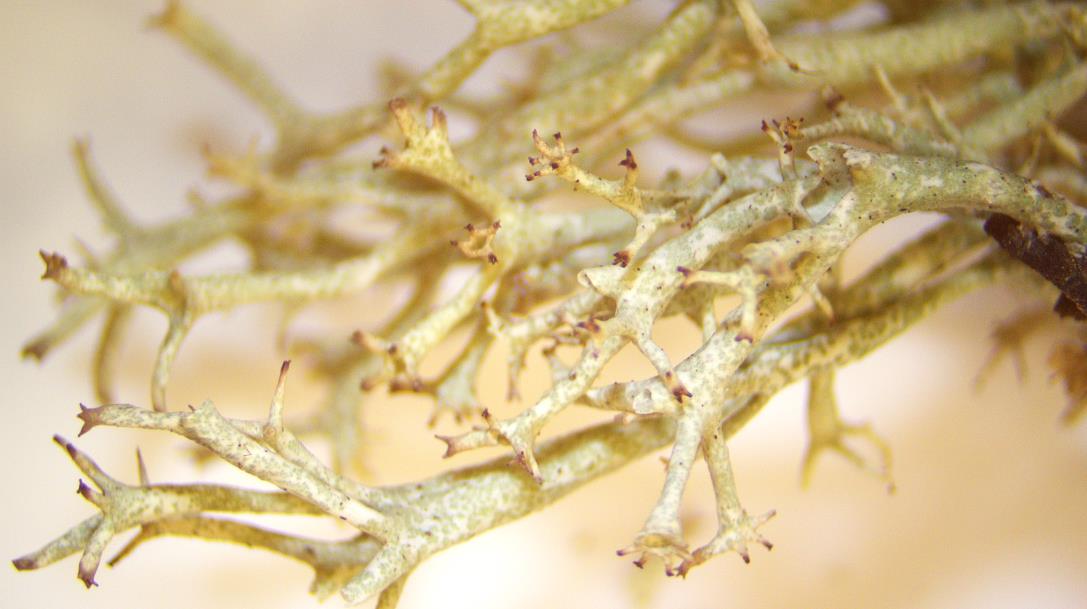
Usnic acid is a multitasking molecule, prized in pharmaceuticals, cosmetics, dentistry, and agriculture. But getting it out of lichens has always meant using acetone—a solvent that is effective yet far from green. Now, researchers have turned to natural deep eutectic solvents, or NADES, as a sustainable alternative.
In this study, the team tested usnic acid's solubility in various NADES and zeroed in on a mixture of thymol and camphor. Using a design of experiments approach, they optimized extraction conditions: a camphor-to-thymol ratio of 0.3, a liquid-to-solid ratio of 60, and a 30-minute run time. The experimental results matched predictions closely, with deviations between 11.93 and 14.96.
The payoff? A single extraction with this NADES recovered about 91% of the total usnic acid—compared to just 78.4% with acetone. That's a significant boost in efficiency with a greener footprint. The method not only reduces reliance on toxic solvents but also streamlines the process, making it a win for both industry and the environment.
Key Points
- NADES (thymol-camphor) extracts usnic acid greener than acetone.
- Optimized conditions: 0.3 ratio, 60 L/S, 30 min.
- 91% recovery in one step vs. 78.4% with acetone.
Comments
No comments yet — be the first.