Mexican microalgae biodiversity and state-of-the-art extraction strategies to meet sustainable circular economy challenges: High-value compounds and their applied perspectives
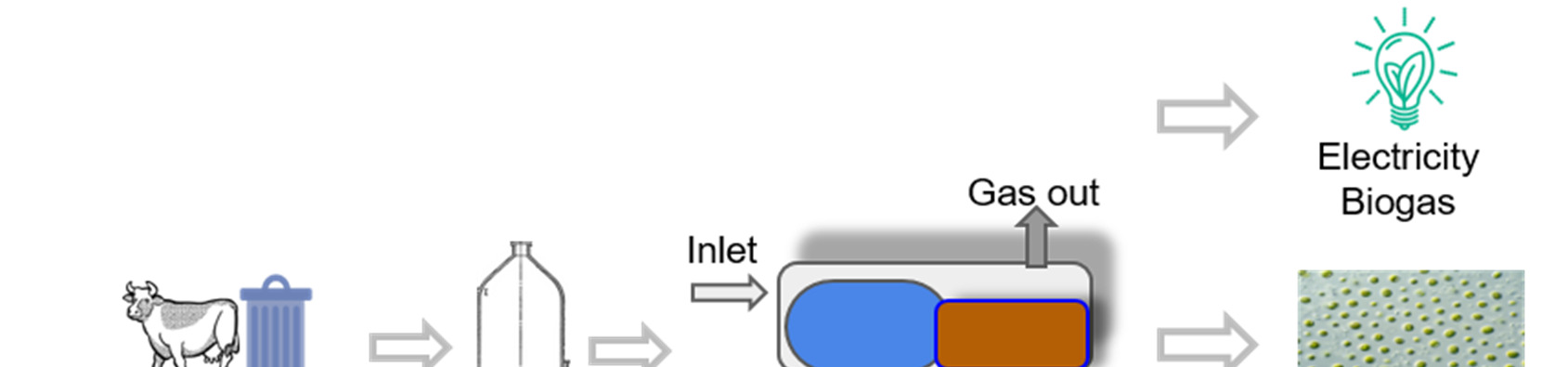
More than 70 native microalgae species have been identified in Mexico—yet almost none are used commercially. Could these tiny organisms hold the key to a greener economy?
The demand for natural products is booming, and the pressure to find sustainable solutions has never been greater. Microalgae, it turns out, are remarkably versatile: they can produce pigments like phycobilins and lutein, along with phycotoxins and polyunsaturated fatty acids (PUFAs). These compounds are valuable for pharmaceuticals, food, and agriculture—and microalgae need very little to grow, thriving on sunlight and even waste matter. In a single biorefinery process, they can yield high-value chemicals, hydrogen gas, and biodiesel simultaneously.
Mexico boasts a rich microalgae biodiversity, with over 70 local species already isolated and characterized. Yet only a tiny fraction have been tapped for commercial products. This paper explores the diversity of Mexican microalgae, their current applications, and their untapped potential in bioengineering and industry. The authors argue that these organisms represent a major opportunity for green technologies.
But realizing this potential requires teamwork. The paper calls on social, industrial, and research communities to collaborate, preserve biodiversity, and optimize resource use. If they do, microalgae could help solve environmental problems while enriching society. The future of a circular economy might just be microscopic.
Key Points
- Over 70 Mexican microalgae species identified, few used commercially.
- Microalgae yield pigments, PUFAs, hydrogen, and biodiesel in one process.
- Collaboration needed to unlock green economy potential.
Comments
No comments yet — be the first.