Microalgae and Macroalgae as Advanced Sources of Tyrosinase Inhibitors
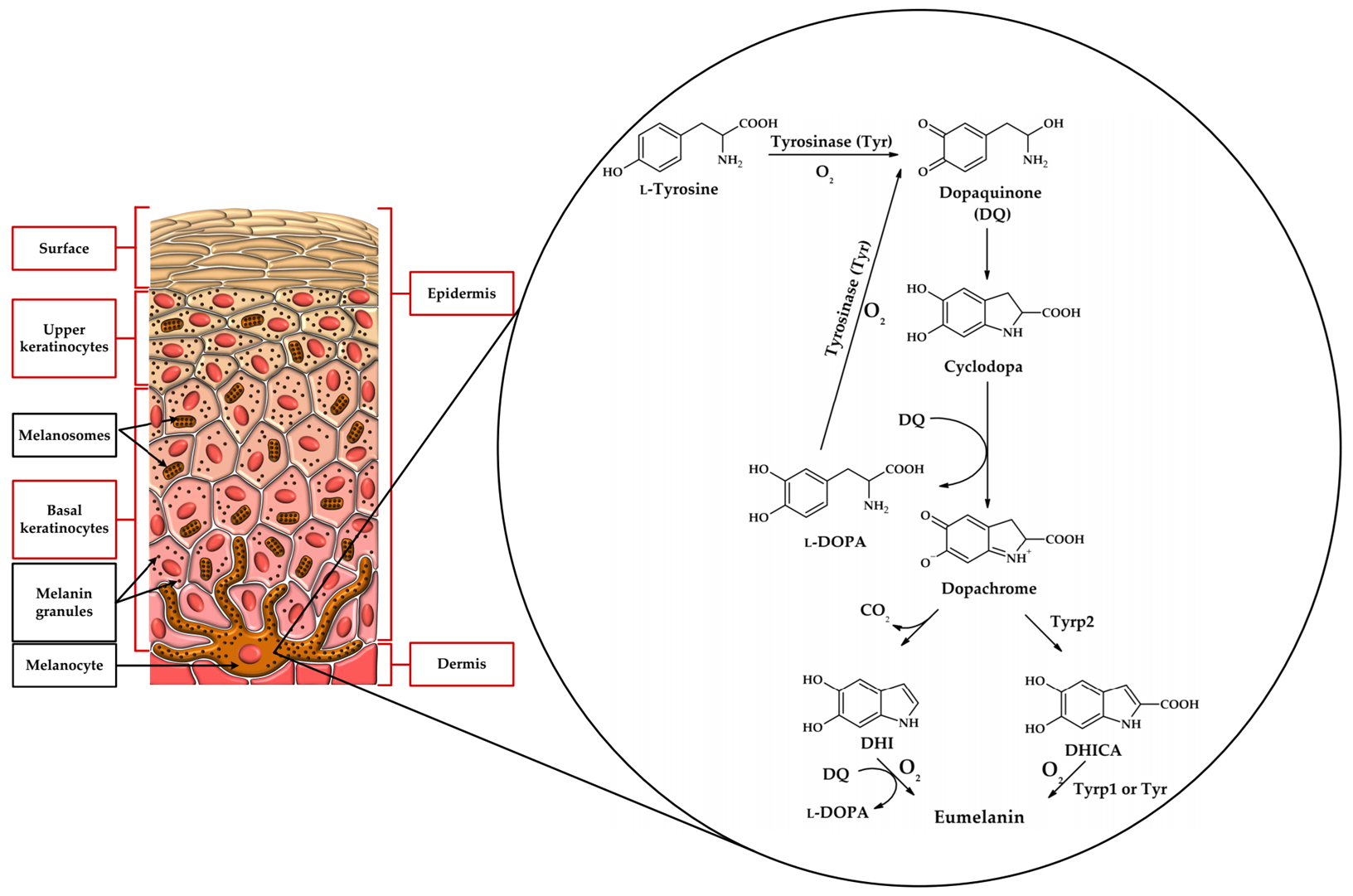
Imagine a single enzyme responsible for both your skin's pigment and the browning of your sliced apple—now imagine stopping it with compounds from the sea.
Tyrosinase is a busy enzyme. It drives melanogenesis in mammals and enzymatic browning in food, making it a prime target for cosmetics, medicine, and agriculture. But synthetic inhibitors often fall short, plagued by toxicity and instability. Enter marine algae—both macroalgae (seaweeds) and microalgae (including cyanobacteria)—a largely untapped treasure trove of bioactive compounds.
Brown seaweeds produce complex phlorotannins, like the non-competitive oligomer dieckol, which inhibits tyrosinase with an IC50 of 2.16 µg/mL. Microalgae, on the other hand, offer small but mighty molecules, such as the synthesizable scytonemin monomer (ScyM), boasting an IC50 of 4.90 µM—significantly stronger than kojic acid, a common reference inhibitor.
Molecular docking reveals diverse mechanisms: complex phlorotannins bind slowly in two steps, while red algal bromophenols act as highly specific competitive inhibitors. To bring these marine wonders to market, green extraction methods like Natural Deep Eutectic Solvents (NADESs) and advanced delivery systems such as Nanostructured Lipid Carriers (NLCs) are essential for stability and bioavailability.
The ocean's algae could hold the key to safer, more effective tyrosinase inhibitors—if we can harness them wisely.
Key Points
- Tyrosinase inhibitors sought for cosmetics, medicine, agriculture.
- Dieckol from brown seaweed: IC50 2.16 µg/mL.
- ScyM from microalgae outperforms kojic acid.
Comments
No comments yet — be the first.