Microwave and ultrasound assisted synergistic extraction of aromatics from food and agro-waste using DES and NADES
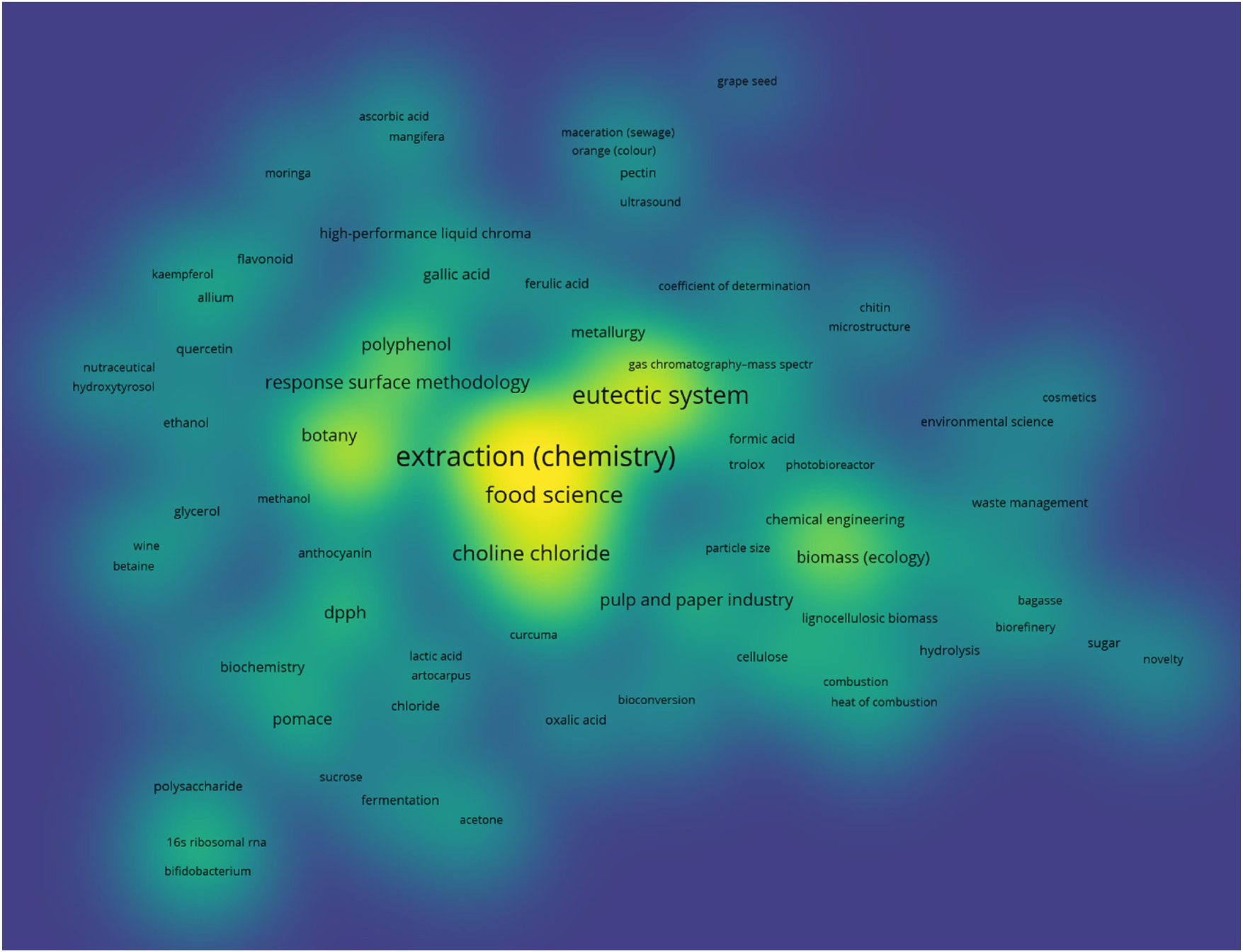
Every year, the world tosses away 2–3 billion tons of food and agro-waste—yet hidden in those peels and husks are aromatic treasures worth extracting. Now, green solvents and energy-driven tech are turning trash into a goldmine of bioactives.
Conventional solvent extraction is slow, dirty, and inefficient—a bottleneck for cleaner, faster, selective technologies. But a new review highlights a powerful duo: Deep Eutectic Solvents (DES) and Natural Deep Eutectic Solvents (NADES), paired with microwave and ultrasound assistance. These methods synergistically extract valuable aromatics like phenolics, flavonoids, antioxidants, and pectin from food and agricultural waste, boosting efficiency far beyond traditional solvents.
The secret lies in tuning solvent properties—composition, water content—and the energy matrix interaction. Yet, scaling up from lab to industry remains tricky: viscosity issues, uneven energy distribution, and a lack of standardized pilot-scale validation hinder progress. The review digs into these hurdles, evaluating process parameters, selectivity, and sequential extraction techniques.
Ultimately, the findings confirm that DES/NADES-assisted microwave and ultrasound extraction significantly outperform conventional methods. The key design drivers? Solvent composition, water content, and how energy interacts with the matrix. By bridging fundamental mechanisms with real-world performance, this work charts a clear path toward scalable, selective, and sustainable waste valorization—turning a global waste problem into a green chemistry opportunity.
Key Points
- DES/NADES with microwave/ultrasound boosts extraction efficiency.
- Key drivers: solvent composition, water content, energy interaction.
- Scale-up challenges: viscosity, uneven energy, pilot validation gaps.
Comments
No comments yet — be the first.