Morphological Characterization of Nicotiana tabacum Inflorescences and Chemical-Functional Analysis of Extracts Obtained from Its Powder by Using Green Solvents (NaDESs)
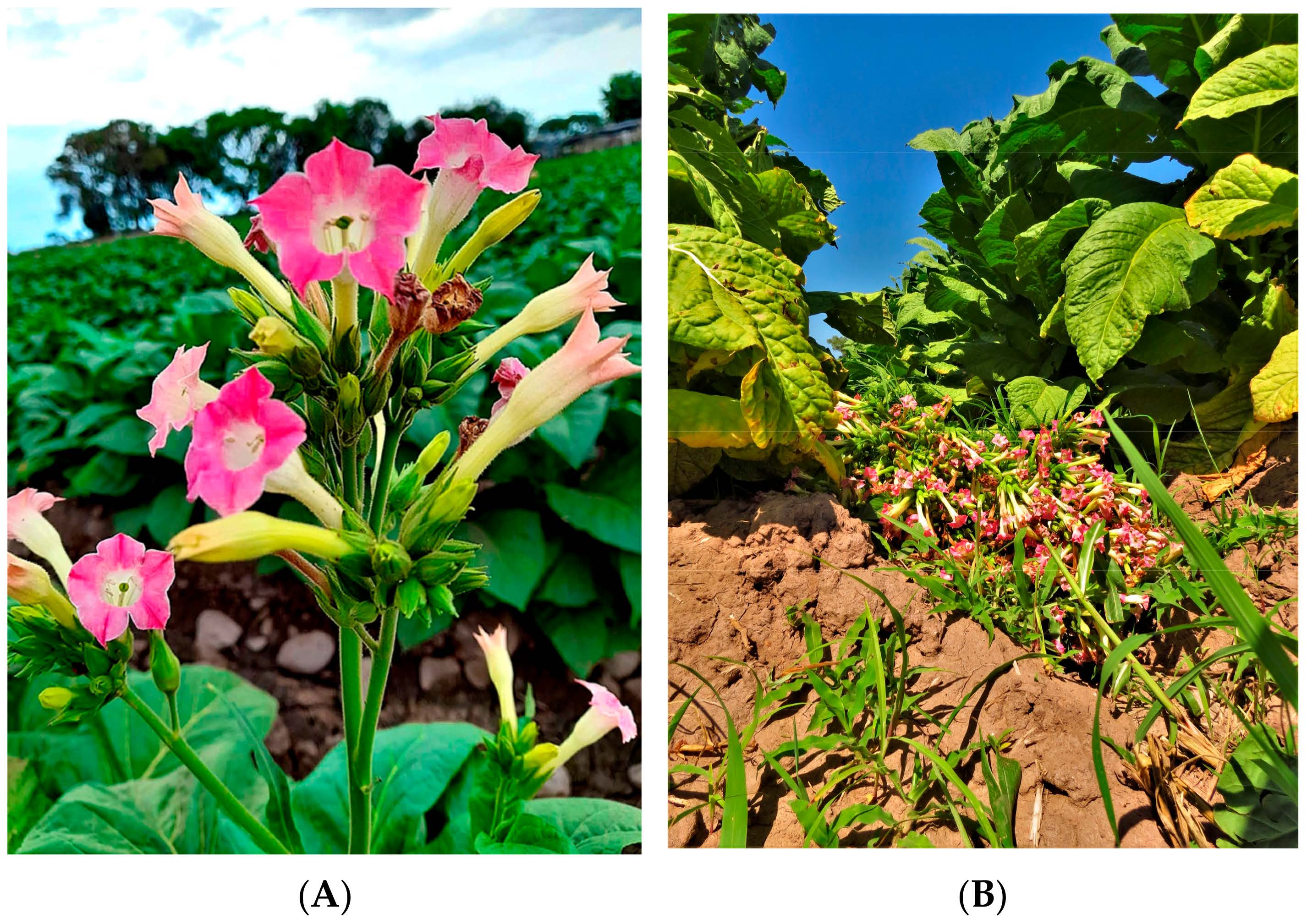
Tobacco flowers, once discarded as waste, might hold the secret to greener cosmetics—if we extract them with the right green solvents.
Every year, tobacco farming produces tons of pre-harvest waste—especially the flowers that are removed to boost leaf growth. Instead of letting them rot in the fields, scientists are now eyeing these discarded blooms as a treasure trove of antioxidants. The challenge? Finding an eco-friendly way to unlock their potential. Enter Natural Deep Eutectic Solvents (NaDESs)—green, non-toxic, and surprisingly effective. In this study, researchers compared five NaDESs against four conventional solvents to extract bioactive compounds from tobacco flower powder. The standout was SALA, a mix of lactic acid and sucrose, which pulled out the highest total phenolic content (3420.0 µg GAE/mL)—more than any traditional solvent—and was uniquely selective to phenolics. Meanwhile, CU (choline chloride-urea) excelled at flavonoids and alkaloids. All extracts showed antioxidant activity, and acid-based NaDESs clustered together in a heatmap, performing best in H2O2 scavenging. These green extracts could soon find their way into cosmetic formulations, offering a sustainable twist to the beauty industry. With growing demand for eco-conscious products, NaDESs might just be the future of plant-based cosmetics.
Key Points
- SALA (lactic acid-sucrose) yields highest phenolics (3420 µg GAE/mL).
- CU (choline chloride-urea) best for flavonoids and alkaloids.
- All extracts show antioxidant activity; acid NaDESs excel in H2O2 scavenging.
Comments
No comments yet — be the first.