Natural deep eutectic extract of onion peel obtained by different extraction methods: bioaccessibility and cytotoxicity
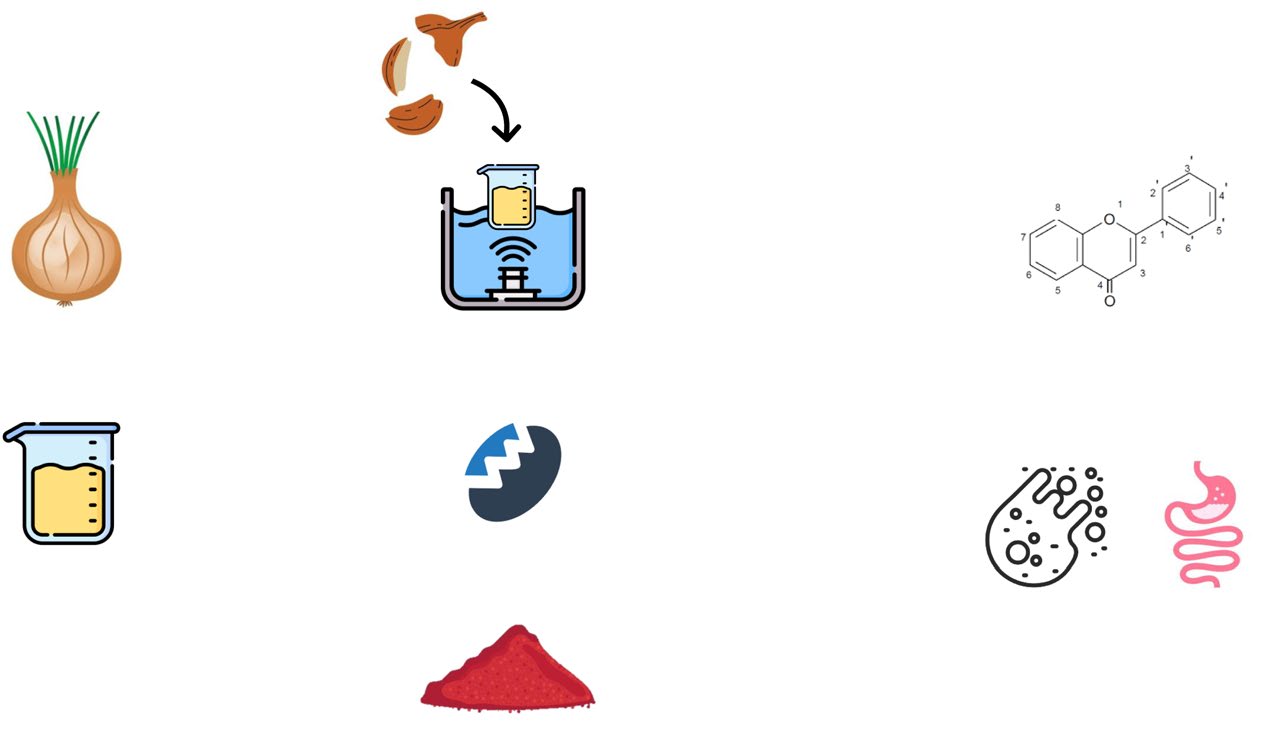
What if the onion peels you toss in the trash could become a treasure trove of health-boosting compounds? A new study shows that a green, solvent-free technique can unlock their hidden potential better than traditional methods.
Onion peels, the often-discarded by-product of onion processing, are actually packed with flavonoids and phenolic compounds known for their antioxidant and anti-inflammatory properties. But extracting these valuable bioactives efficiently has been a challenge. Researchers compared several methods, including ultrasound-assisted extraction (UAE), enzyme-assisted extraction (EAE), and their combinations, all using a natural deep eutectic solvent (NADES) based on choline chloride and lactic acid. They benchmarked these against conventional extraction with 80% methanol.
The standout performer was ultrasound-enzyme-assisted extraction (UEAE), which delivered the highest yields: total phenolic content of 2581 mg GAE/100 g, antioxidant capacity of 11,625 mg TE/100 g (CUPRAC) and 5616 mg TE/100 g (DPPH), and total individual phenolics of 380 mg/100 g. This was significantly better than other methods. The UEAE extract also showed low toxicity in Caco-2 intestinal cells, with an EC50 above 1%, meaning it's safe at tested concentrations.
Moreover, during simulated digestion, the UEAE-NADES extract retained more phenolics than conventional extracts, suggesting better bioaccessibility. This green approach not only boosts extraction efficiency but also yields a non-cytotoxic, highly bioactive extract. It offers a sustainable path to valorize onion peel waste for functional foods, nutraceuticals, and pharmaceuticals—turning a kitchen scrap into a potential health asset.
Key Points
- Ultrasound-enzyme extraction (UEAE) with NADES yields highest phenolics and antioxidants.
- UEAE extract shows low toxicity (EC50 > 1%) in Caco-2 cells.
- Green NADES method improves phenolic retention during digestion vs. methanol.
Comments
No comments yet — be the first.