Natural deep eutectic solvents as new green solvents to extract anthraquinones from: Rheum palmatum L.
Traditional herbal medicine meets modern green chemistry as researchers unlock a sustainable way to harvest valuable compounds from rhubarb. By swapping toxic chemicals for natural deep eutectic solvents, science is finding cleaner ways to capture nature's pharmacy.
Rheum palmatum L., famously known as Da Huang, has a millennia-long history in traditional medicine and even finds its way into modern desserts like rhubarb pie. Its roots and stems are packed with health-relevant anthraquinones, but extracting them efficiently without toxic solvents has been a major hurdle.
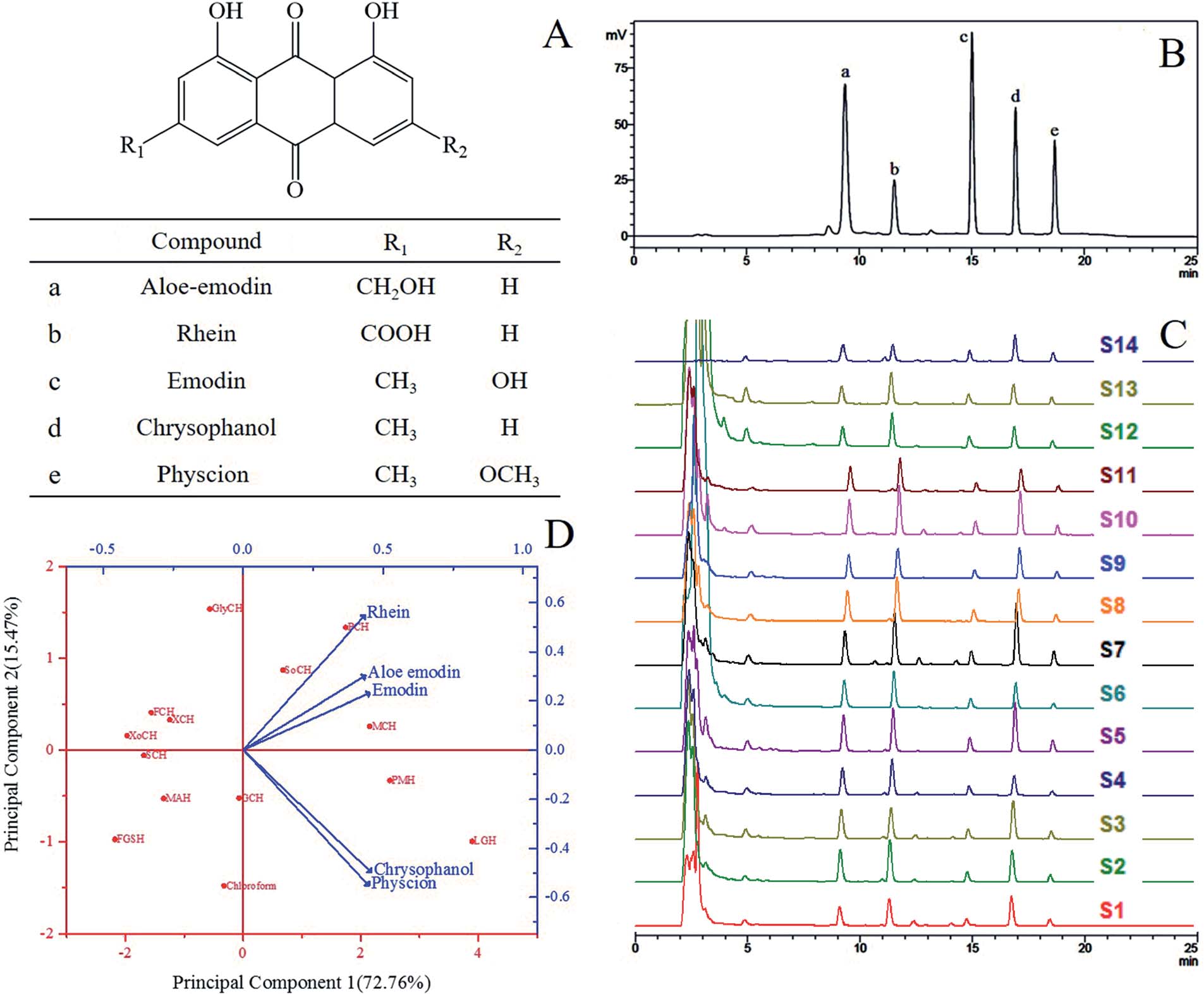
Enter natural deep eutectic solvents, or NADES. Using ultrasound-assisted extraction and principal component analysis, researchers identified a winning combination: a mixture of lactic acid, glucose, and water, known as LGH. Fine-tuning the recipe through single-factor experiments and response surface methodology revealed the sweet spot: a 5:1 molar ratio of lactic acid to glucose with 10% water, operating at 82 degrees Celsius for 1.5 hours with a 26 mL g-1 solvent-to-solid ratio.
This optimized green method successfully yielded precise amounts of key anthraquinones, including aloe-emodin, rhein, emodin, chrysophanol, and physcion. Furthermore, pairing the LGH extraction solution with DM130 macroporous resin allowed for the efficient enrichment and separation of five anthraquinones, achieving impressive purities and solid recovery yields as confirmed by HPLC.
Key Points
- LGH solvent optimized with lactic acid, glucose, and water
- Extracted specific anthraquinones like aloe-emodin, rhein, and emodin
- DM130 macroporous resin achieved high purity and recovery yields
Comments
No comments yet — be the first.