Novel biocompatible polysaccharide-based eutectogels with tunable rheological, thermal, and mechanical properties: The role of water
What if a simple sugar alcohol and a vitamin-like compound could form a gel that outperforms traditional hydrogels? This gel, made from natural deep eutectic solvents, might just revolutionize drug delivery.
Imagine a solvent that can dissolve stubborn natural compounds, then transform into a gel with remarkable properties. That's the magic of natural deep eutectic solvents (NADES), and researchers have now used them to create a new type of biocompatible material. By mixing xanthan gum with a choline chloride-xylitol solution, they formed eutectogels—but only when water was present. Water turned out to be the unsung hero, critical for gel formation and influencing everything from texture to stability.
The team discovered that these eutectogels are not just a novelty. They boast better viscoelastic properties, higher thermal stability, and more defined shear-thinning behavior than conventional hydrogels. In texture tests, gels with less water were harder and stickier, offering a way to fine-tune the material. The secret lies in how water interacts with the hydrogen-bonding network of the NADES, a delicate dance that dictates the gel's final character.
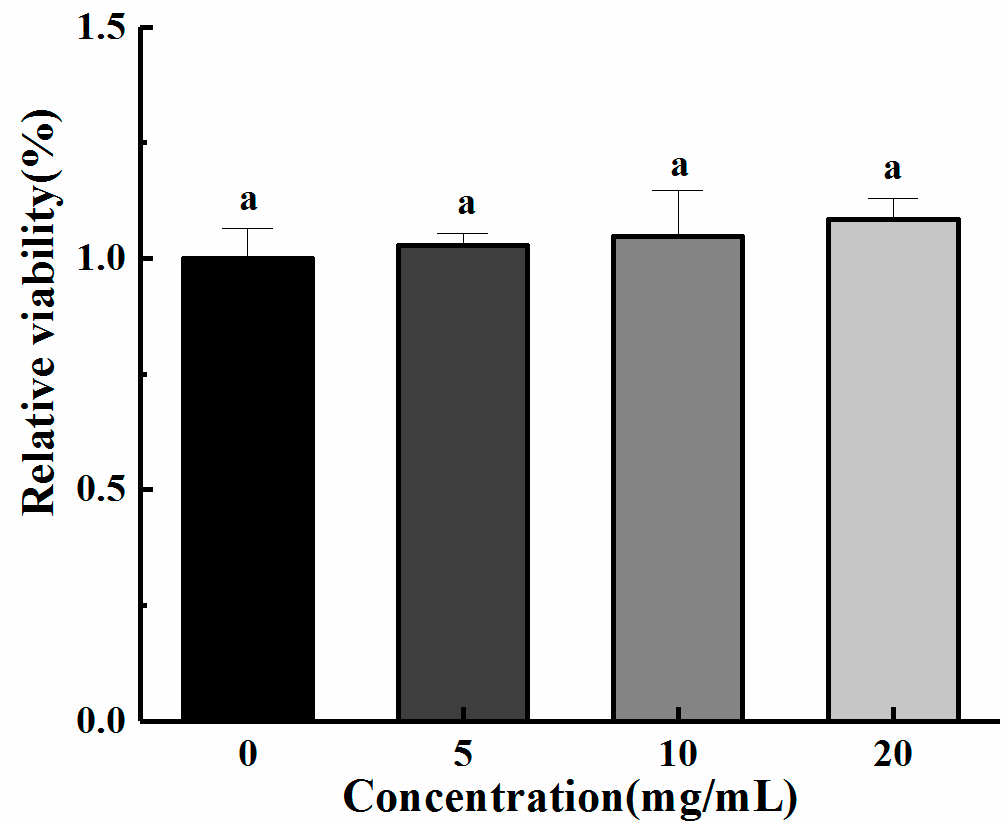
Crucially, these gels are exceptionally kind to living cells, passing an MTT assay with flying colors—just like their hydrogel counterparts. This biocompatibility, combined with tunable properties, positions them as promising candidates for drug delivery vehicles. From medicine to food, the potential applications are vast, and this research opens the door to a new class of smart, adaptable materials.
Key Points
- W
- a
- t
Comments
No comments yet — be the first.