“Novel chitosan/alginate hydrogels as carriers of phenolic-enriched extracts from saffron floral by-products using natural deep eutectic solvents as green extraction media”
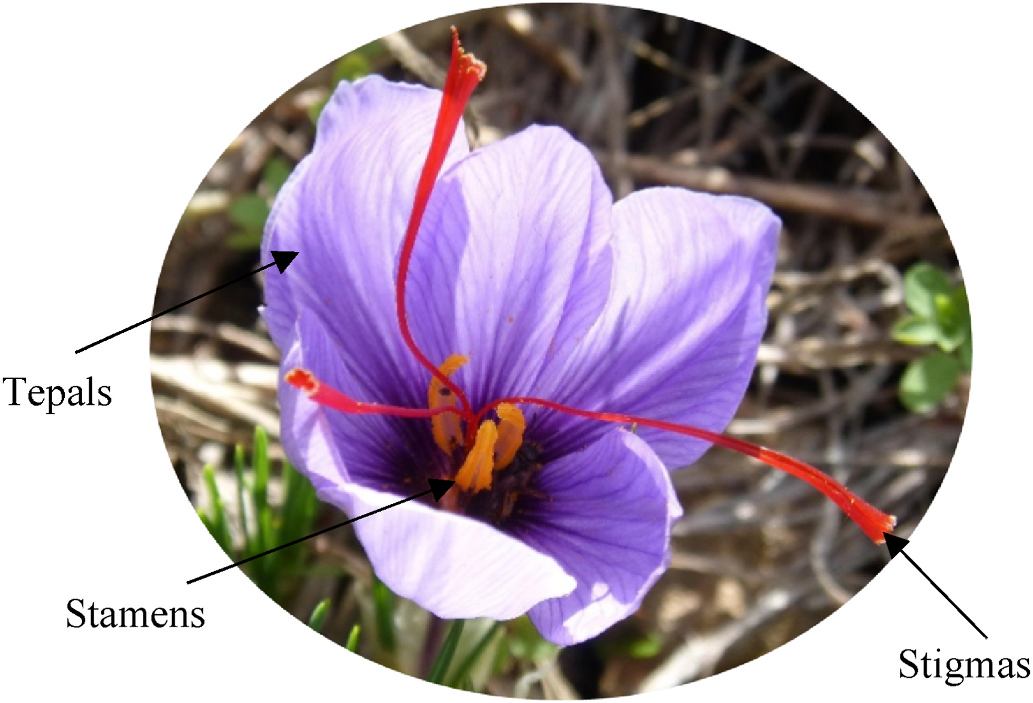
Saffron is the world's priciest spice, but its production leaves behind hundreds of tons of waste—now science is turning that trash into treasure with green chemistry.
Every year, saffron farming generates hundreds of tons of tepal waste, since only the stigmas are used. But those discarded petals hide a wealth of phenolic compounds—natural antioxidants with real commercial potential. Researchers have now found a way to unlock them using Natural Deep Eutectic Solvents (NaDES) and ultrasound-assisted extraction, a method that is both green and cost-effective.
Using response surface methodology, the team optimized the process and achieved the highest phenolic and flavonoid yields in just 20 minutes, with 180 W ultrasound power and 90% NaDES. The resulting extracts showed potent antioxidant activity in DPPH assays, confirming the value of these floral leftovers.
To make the extracts stable, they were loaded into chitosan/alginate hydrogels. These hydrogels displayed favorable water-uptake and retention, and the total phenolic content remained stable during simulated intestinal digestion. This means the active compounds can survive their journey through the gut, opening doors for functional foods or cosmetics.
In short, NaDES combined with ultrasound turns a waste problem into a sustainable solution. These hydrogels could soon carry bioactive punch from flower waste to your plate or skincare routine.
Key Points
- NaDES + ultrasound extracts phenolics from saffron waste in 20 min.
- Chitosan/alginate hydrogels stabilize extracts; TPC stable in digestion.
- Green, low-cost method turns tepal waste into functional ingredients.
Comments
No comments yet — be the first.