Oleosome Delivery Systems: Enhancing Stability and Therapeutic Potential of Natural Products and Xenobiotics
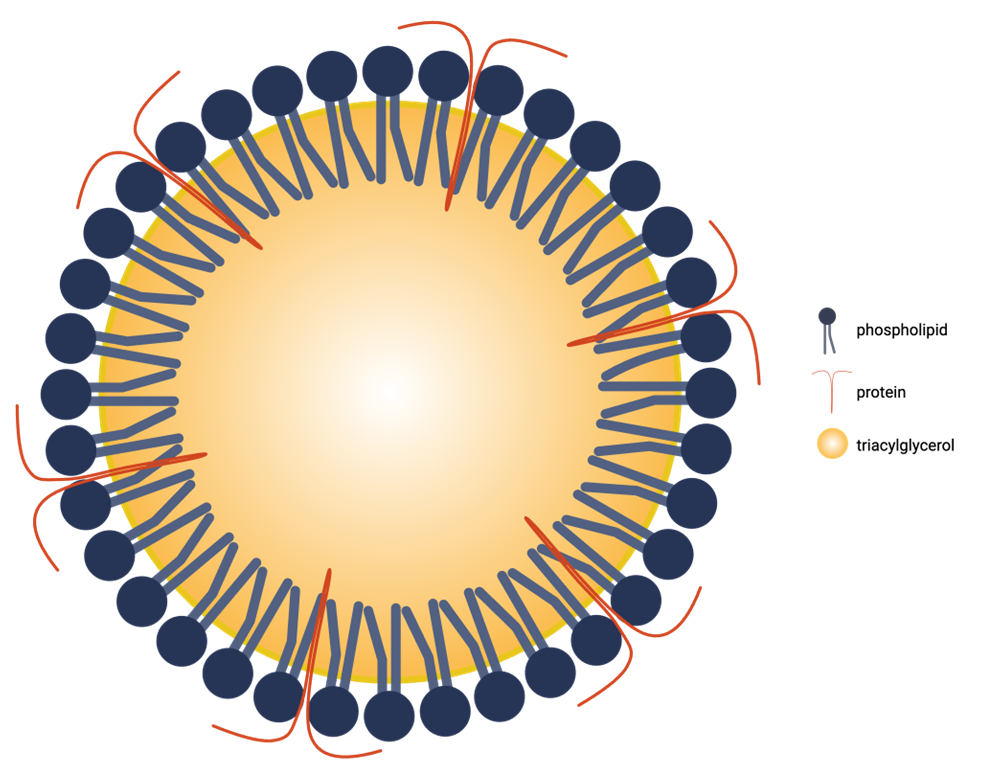
Imagine tiny, plant-made oil droplets so stable they can carry cancer-fighting drugs straight to tumors—reducing tumor burden by about 70% in living organisms. These are oleosomes, nature's own nanocarriers, and they might just outshine synthetic ones.
Oleosomes are submicron oil bodies with a triacylglycerol core wrapped in a phospholipid monolayer and embedded proteins. This natural architecture gives them exceptional oxidative resilience and interfacial stability, making them ideal for encapsulating highly lipophilic compounds like curcumin and cannabidiol—with efficiencies exceeding 95%.
Their solvent-free extraction and self-emulsification properties are a green dream. Plus, these droplets enhance oral bioavailability via lymphatic uptake, and even enable magnetically guided chemotherapy, which has slashed tumor burden by roughly 70% in vivo.
This review dives into recent advances: from botanical sourcing and green extraction to interfacial engineering and therapeutic applications across oncology, dermatology, metabolic disease, and regenerative medicine. Comparative analyses show oleosomes rival or surpass synthetic lipid nanocarriers in encapsulation efficiency, oxidative stability, and cost—while being a sustainable, clean-label alternative.
But challenges remain: low loading of hydrophilic drugs, allergenicity, and regulatory standardization. Emerging fixes include hybrid oleosome–liposome systems, recombinant oleosin engineering, and stimulus-responsive coatings. These innovations position oleosomes as a versatile, scalable platform for food, cosmetics, and pharma.
Key Points
- Oleosomes encapsulate lipophilic compounds >95% efficiency
- Magnetic guidance cuts tumor burden ~70% in vivo
- Green, cost-effective alternative to synthetic nanocarriers
Comments
No comments yet — be the first.