Optimization of choline chloride-glycerol based natural deep eutectic solvent for extraction bioactive substances from Cinnamomum burmannii barks and Caesalpinia sappan heartwoods
Imagine a solvent that is green, safe, and yet outperforms traditional methods—this is the promise of Natural Deep Eutectic Solvents. A new study shows they can unlock more of the precious compounds in Indonesian cinnamon and sappan wood than ever before.
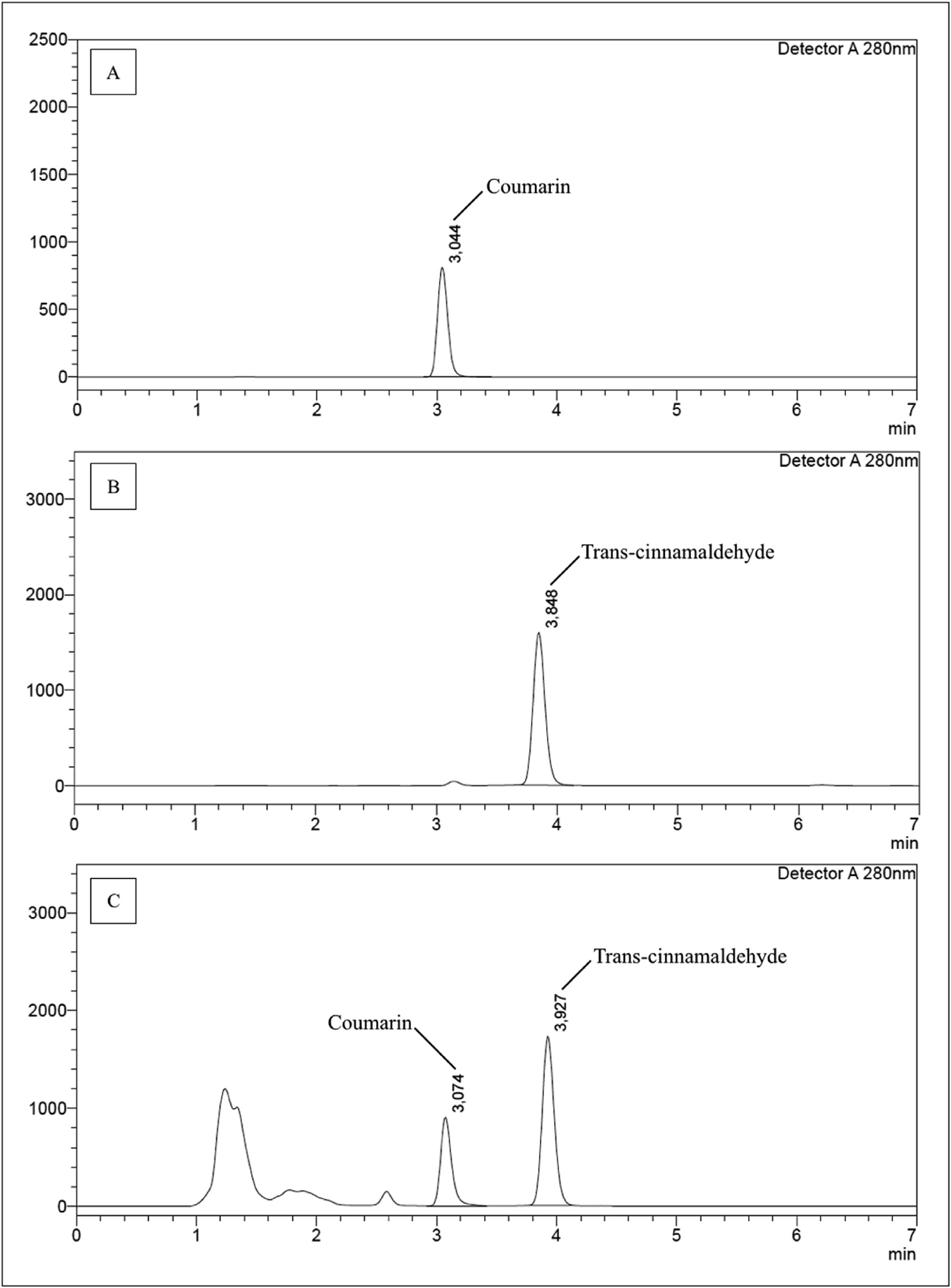
Indonesian cassia, a common spice, hides a treasure trove of bioactive compounds like trans-cinnamaldehyde and coumarin. Sappan wood, a Southeast Asian native, contains brazilin, the red pigment behind its vibrant color. But extracting these compounds efficiently and sustainably has been a challenge.
Enter choline chloride-glycerol, a natural deep eutectic solvent (NADES). This eco-friendly mixture, composed of natural ingredients, offers a greener alternative to conventional organic solvents. In this study, researchers optimized the extraction process using a Box-Behnken design, varying the ratio of choline chloride to glycerol, powder to solvent, and water content.
They used ultrasonication to assist the extraction, and high-performance liquid chromatography to quantify the compounds. The results were striking: the optimized NADES extracted up to 1907.32 μg/ml of trans-cinnamaldehyde and 368.67 μg/ml of brazilin, far exceeding the yields from conventional reflux extraction, which only managed 108.45 μg/ml and 124.64 μg/ml, respectively.
This study highlights the potential of NADES as a superior, more sustainable extraction medium. It's a win for both science and the environment, paving the way for greener pharmaceutical and nutraceutical processes.
Key Points
- NADES extracts more trans-cinnamaldehyde and brazilin than conventional methods.
- Optimal conditions found using Box-Behnken design with ultrasonication.
- Highest yields: 1907.32 μg/ml trans-cinnamaldehyde, 368.67 μg/ml brazilin.
Comments
No comments yet — be the first.