Optimization of Extraction and Antioxidant Activities of Resveratrol from Polygonum cuspidatum by Ultrasound-Assisted Natural Deep Eutectic Solvent Method
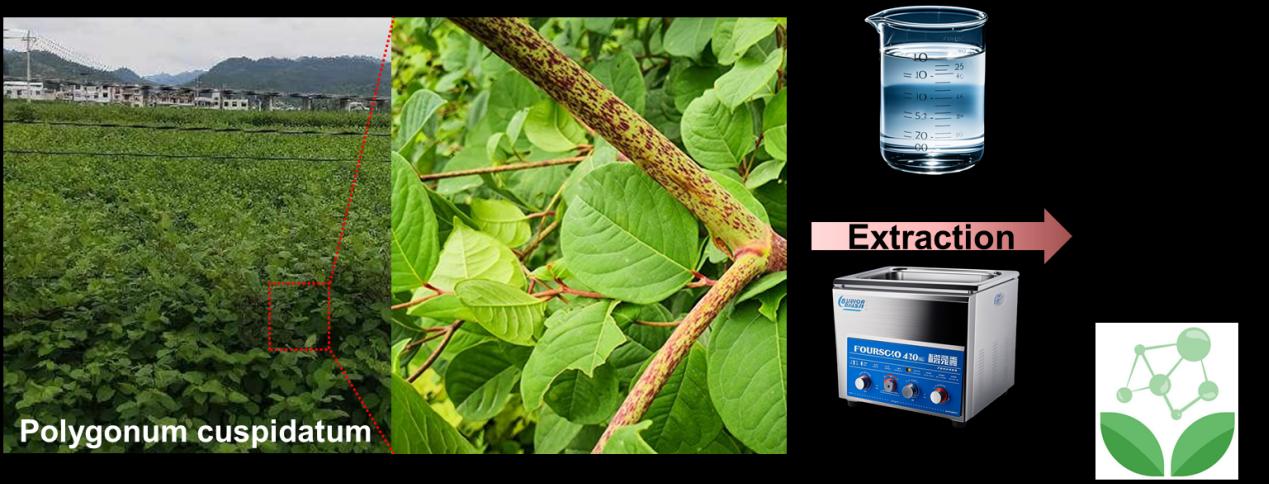
What if the secret to a healthier heart was hidden in a weed—and we could extract it with a solvent that’s as green as the plant itself?
Polygonum cuspidatum, a traditional herb from Hubei, China, packs a powerful punch: resveratrol, a compound that helps regulate cholesterol, prevent blood clots, and guard against heart disease. But extracting it has always been a sticky problem—conventional methods are inefficient and rely on toxic solvents. Now, scientists have flipped the script with a green, ultrasound-assisted approach using natural deep eutectic solvents (NADES).
The optimized recipe? A mix of betaine and DL-malic acid in a 1:4 ratio, with 50% water, blasted with 240 W of ultrasound at 40°C for 30 minutes. The solid-to-liquid ratio was 1:28 g/mL. This combo yielded 33.12 mg/g of resveratrol (by UV-Vis) and 2.95 mg/g (by HPLC)—far outperforming traditional methods.
But the benefits don’t stop at yield. The extract showed strong scavenging activity against three types of free radicals: ABTS, DPPH, and hydroxyl. That means it’s not just efficient—it’s a potent antioxidant powerhouse.
This study proves that NADES combined with ultrasound is a win-win: eco-friendly, effective, and capable of producing extracts that could support cardiovascular health. The future of natural product extraction just got a lot greener.
Key Points
- NADES + ultrasound boosts resveratrol yield to 33.12 mg/g.
- Green solvent: betaine, malic acid, 50% water.
- Extract shows strong antioxidant activity against ABTS, DPPH, OH.
Comments
No comments yet — be the first.