Optimization of Flavonoid Extraction and Tyrosinase Inhibitory Activity from Rhodomyrtus tomentosa Leaves Using NADES-Based Ultrasound-Assisted Extraction
What if the key to brighter skin lies in a green solvent and sound waves? Scientists have unlocked a potent skin-lightening extract from an underrated leaf using an eco-friendly method.
Forget harsh chemicals—nature's own solvents are stealing the spotlight. In a new study, researchers turned to leaves of *Rhodomyrtus tomentosa*, a plant long used in traditional medicine, to extract flavonoids with serious skin-lightening potential. Their secret weapon? Natural deep eutectic solvents (NADESs), combined with ultrasound-assisted extraction (UAE). This duo is not only efficient but also kind to the planet, offering a sustainable alternative to conventional methods.
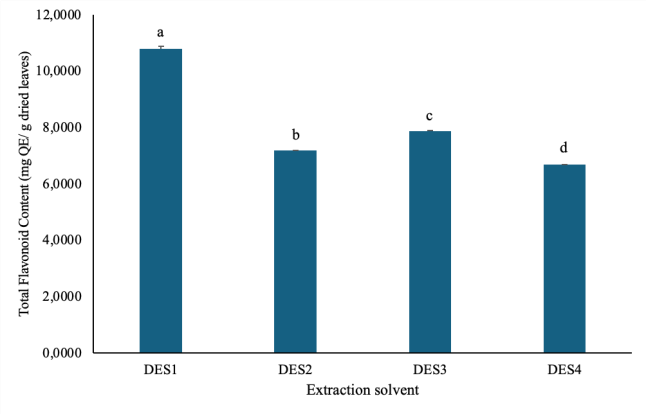
The team screened several choline chloride-based NADESs, identifying choline chloride-propylene glycol (1:1) as the winner. Using Response Surface Methodology with a Box-Behnken design, they fine-tuned extraction time, water addition, and solid-to-liquid ratio. The models performed brilliantly, with R² values of 0.9944 for flavonoid content and 0.9998 for tyrosinase inhibition, indicating near-perfect predictive power.
The optimal conditions—60 minutes, 20% water, and a 0.05 g/mL solid-to-liquid ratio—yielded a total flavonoid content of 14.3729 mg QE/g dried leaves and an impressive 83.56% tyrosinase inhibition. Tyrosinase is a key enzyme in melanin production, so blocking it means less pigmentation. This green extraction platform could pave the way for safer, more sustainable skin-lightening products.
Key Points
- NADES-based UAE optimizes flavonoid extraction from R. tomentosa leaves.
- Choline chloride-propylene glycol (1:1) is the optimal NADES.
- 83.56% tyrosinase inhibition at 60 min, 20% water, 0.05 g/mL.
Comments
No comments yet — be the first.