Optimization of the green extraction of polyphenols from the edible flower Clitoria ternatea by high-power ultrasound: A comparative study with conventional extraction techniques
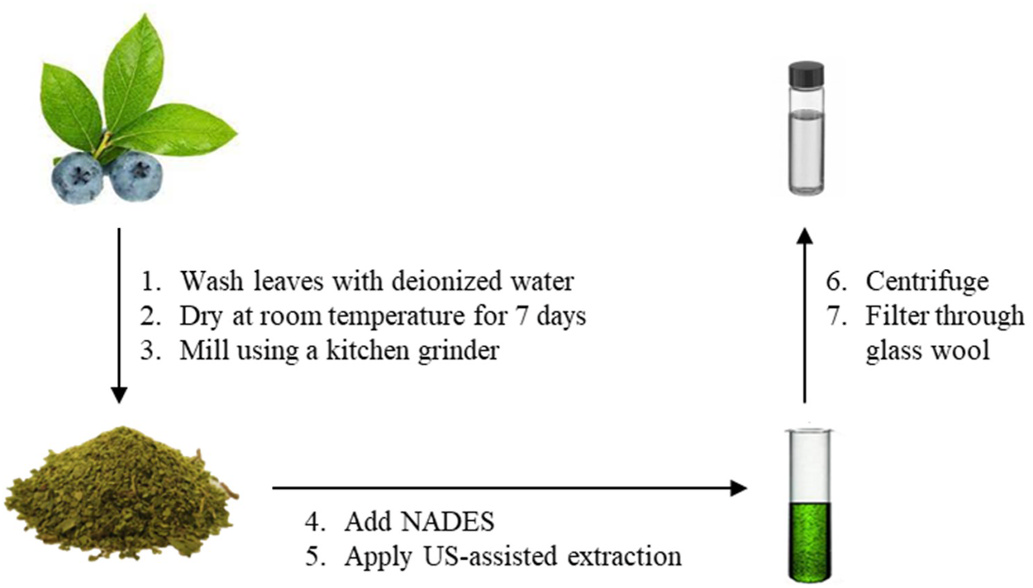
What if the secret to greener chemistry is hiding in blueberry leaves? Scientists just found a way to unlock their antioxidants using eco-friendly solvents and sound waves.
The food industry is on a quest for greener ways to extract valuable bioactive compounds, especially from agricultural waste. Blueberry leaves, often discarded, are packed with phenolics. But traditional extraction methods rely on harsh organic solvents. This study offers a smarter alternative: natural deep eutectic solvents (NADES) combined with ultrasound.
Researchers screened multiple NADES formulations. The winners were a mix of lactate, sodium acetate, and water, and another of choline chloride with oxalic acid. Using a Box-Behnken design, they optimized the process: 45 minutes of sonication at 65°C, with specific solvent-to-sample ratios for each NADES.
The results were striking. These green solvents outperformed conventional ones significantly, recovering 1.6-fold and 2.2-fold more phenolic compounds, and 1.6-fold and 2.8-fold more antioxidants, respectively. The lactic acid-based NADES even extracted a wide range of hydroxycinnamic acids and flavonol derivatives, proving that sustainability doesn't mean sacrificing efficiency.
Key Points
- NADES outperform conventional solvents for phenolic recovery
- Optimal extraction: 45 min, 65°C, specific ratios
- Lactic acid NADES extracts diverse phenolic classes
Comments
No comments yet — be the first.