Optimization of ultrasound-assisted extraction of phenols from Crocus sativus by-products using sunflower oil as a sustainable solvent alternative
What if the secret to greener chemistry is sitting in your kitchen pantry? Sunflower oil, a humble cooking staple, is now stepping into the lab as a sustainable solvent to unlock valuable phenols from saffron waste.
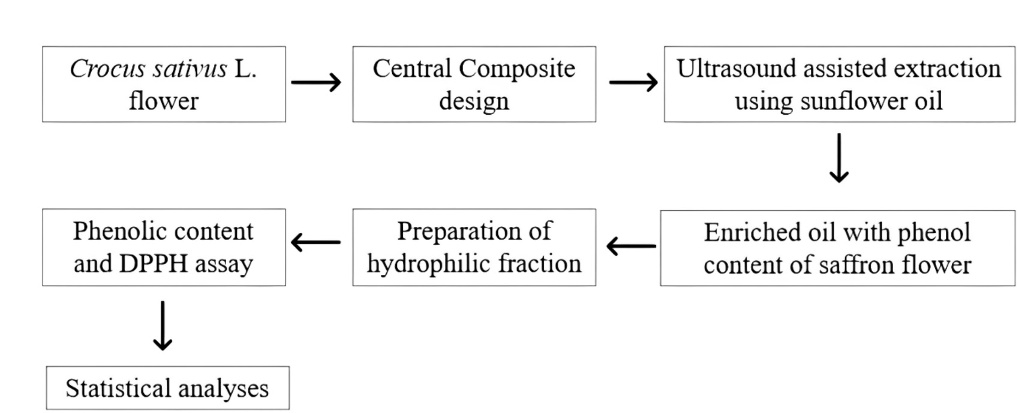
The push for eco-friendly solvents has never been stronger, and vegetable oils are emerging as heroes. They are non-toxic, practical, and surprisingly effective at pulling phytochemicals from plants. This study turns to sunflower oil—a sustainable alternative to conventional organic solvents—to extract phenolic compounds from Crocus sativus (saffron) by-products, which are often discarded as waste.
Using ultrasound assistance, the researchers optimized the extraction process by varying temperature (18–52°C), ultrasonic time (5–55 min), and solid-solvent ratio. The goal? To maximize phenolic yield while keeping the method green, user-friendly, and cost-effective. Sunflower oil replaces harsh chemicals, making the entire process safer for both people and the planet.
The result is a novel approach that not only reduces environmental impact but also adds value to agricultural waste. This work highlights how a simple, everyday ingredient can drive innovation in green chemistry, offering a practical path toward sustainable phytochemical extraction.
Key Points
- Sunflower oil as sustainable solvent for phenols
- Ultrasound-assisted extraction from saffron waste
- Optimized temperature, time, and solid-solvent ratio
Comments
No comments yet — be the first.