Optimizing the Extraction of Flavonoids from Osmanthus fragrans Using Deep Eutectic Solvents
Could a sprinkle of sumac, a humble spice, hold the key to a 650% boost in antioxidant power? A new study says yes—thanks to a century-old milk homogenizer.
Oxidative stress is a silent saboteur behind many diseases, and antioxidants are our natural defense. But extracting them from plants has often relied on harsh solvents and heavy energy use. Enter green extraction: a sustainable approach that slashes waste and energy while tapping into nature's phytochemical treasure trove.
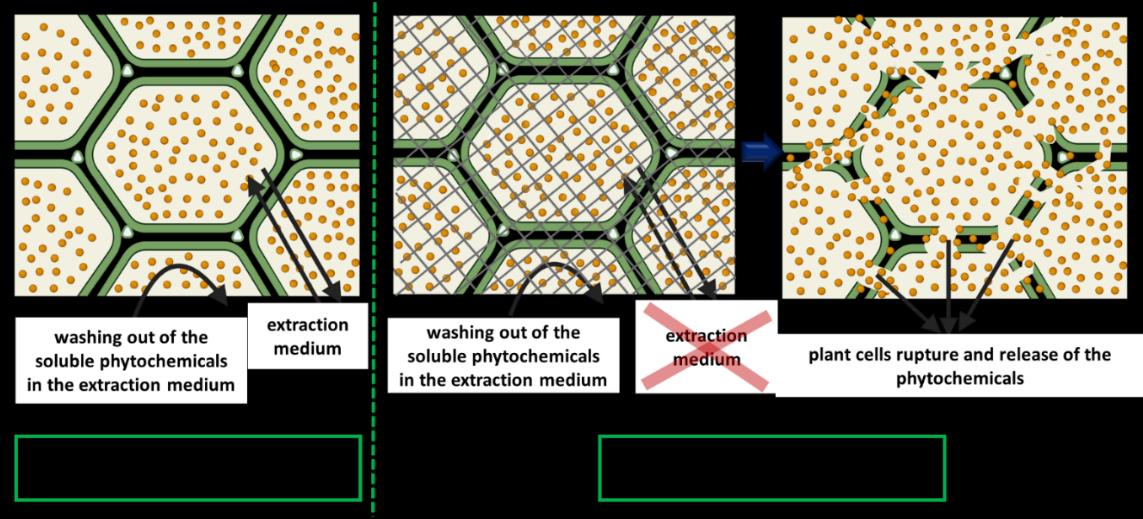
The hero of this story is high-pressure homogenization (HPH), a technique invented in 1900 to smooth milk and later to extend juice shelf life without preservatives. Now, researchers have turned this old workhorse into an eco-friendly nano-mill. They used HPH to grind sumac—a spice loaded with antioxidants—into PlantCrystals, tiny particles about 750 nanometers across.
The results are striking. These submicron crystals boasted an antioxidant capacity over 650% higher than bulk sumac, as measured by the ORAC assay. Polyphenol and flavonoid levels rose, and the DPPH test showed activity comparable to ascorbic acid. The secret? HPH ruptures plant cells efficiently, releasing a flood of antioxidants. In short, PlantCrystal technology turned a simple spice into a potent, 6.5-fold more powerful antioxidant source—no organic solvents required.
Key Points
- HPH produces sumac PlantCrystals at ~750 nm
- Antioxidant capacity jumps >650% by ORAC
- DPPH activity similar to ascorbic acid
Comments
No comments yet — be the first.