Platycodon grandiflorum: from phytochemical diversity to polysaccharides' prominent bioactivities and edible-medicinal applications
A humble plant used in East Asian kitchens and clinics for centuries is now revealing its hidden power—its polysaccharides may hold the key to modern therapeutic breakthroughs.
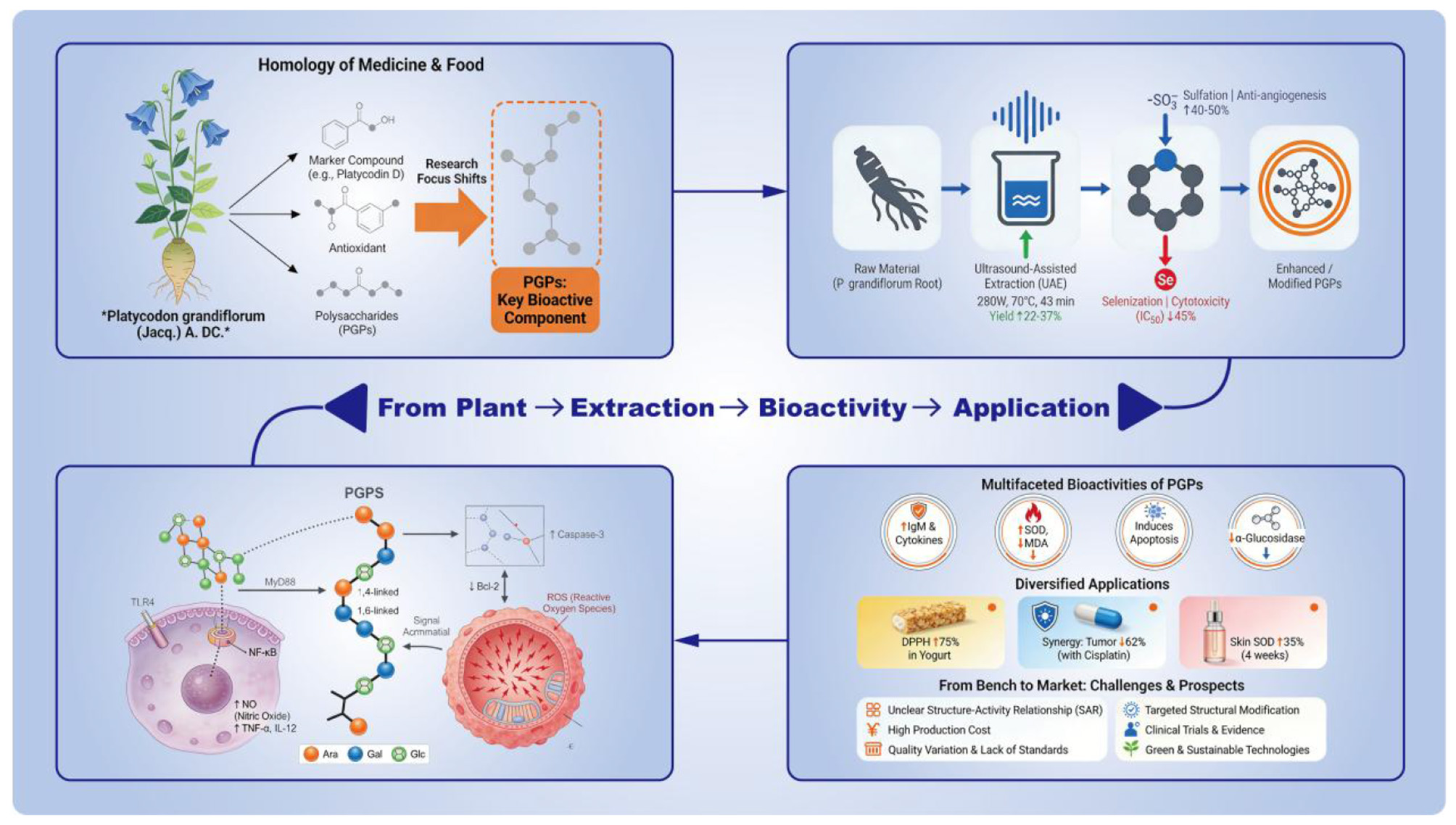
Platycodon grandiflorum, known as bellflower root, has long been a staple in traditional medicine and cuisine. But beneath its unassuming appearance lies a chemical treasure trove: saponins, volatile oils, flavonoids, and, most notably, polysaccharides. These complex sugars, built mainly from arabinose, galactose, and glucose, are not just structural—they are bioactive powerhouses with remarkable therapeutic potential. Unlike many synthetic drugs, these polysaccharides are non-toxic and biocompatible, making them ideal candidates for safe, natural treatments. Studies highlight their immunomodulatory, antioxidant, metabolic-regulating, antitumor, and organ-protective effects. Even better, ultrasound-assisted extraction can boost yields by 22%–37% compared to traditional methods, making production more efficient. Yet challenges remain, such as limited solubility, which hampers full utilization. The authors call for robust quality control and future research into structural modifications to unlock even greater applications in functional foods, pharmaceuticals, and cosmetics. This review not only celebrates the plant's versatility but also charts a clear path for turning its promise into practice.
Key Points
- PGPs are non-toxic, biocompatible heteropolysaccharides.
- Ultrasound extraction yields 22%–37% higher PGPs.
- PGPs show immunomodulatory, antioxidant, antitumor effects.
Comments
No comments yet — be the first.