Pomegranate Peel Phytochemistry, Pharmacological Properties, Methods of Extraction, and Its Application: A Comprehensive Review
What if the key to fighting inflammation, microbes, and even cancer was hiding in the fruit peel you throw in the trash? Recent science reveals that pomegranate waste is actually a goldmine of powerful bioactive compounds.
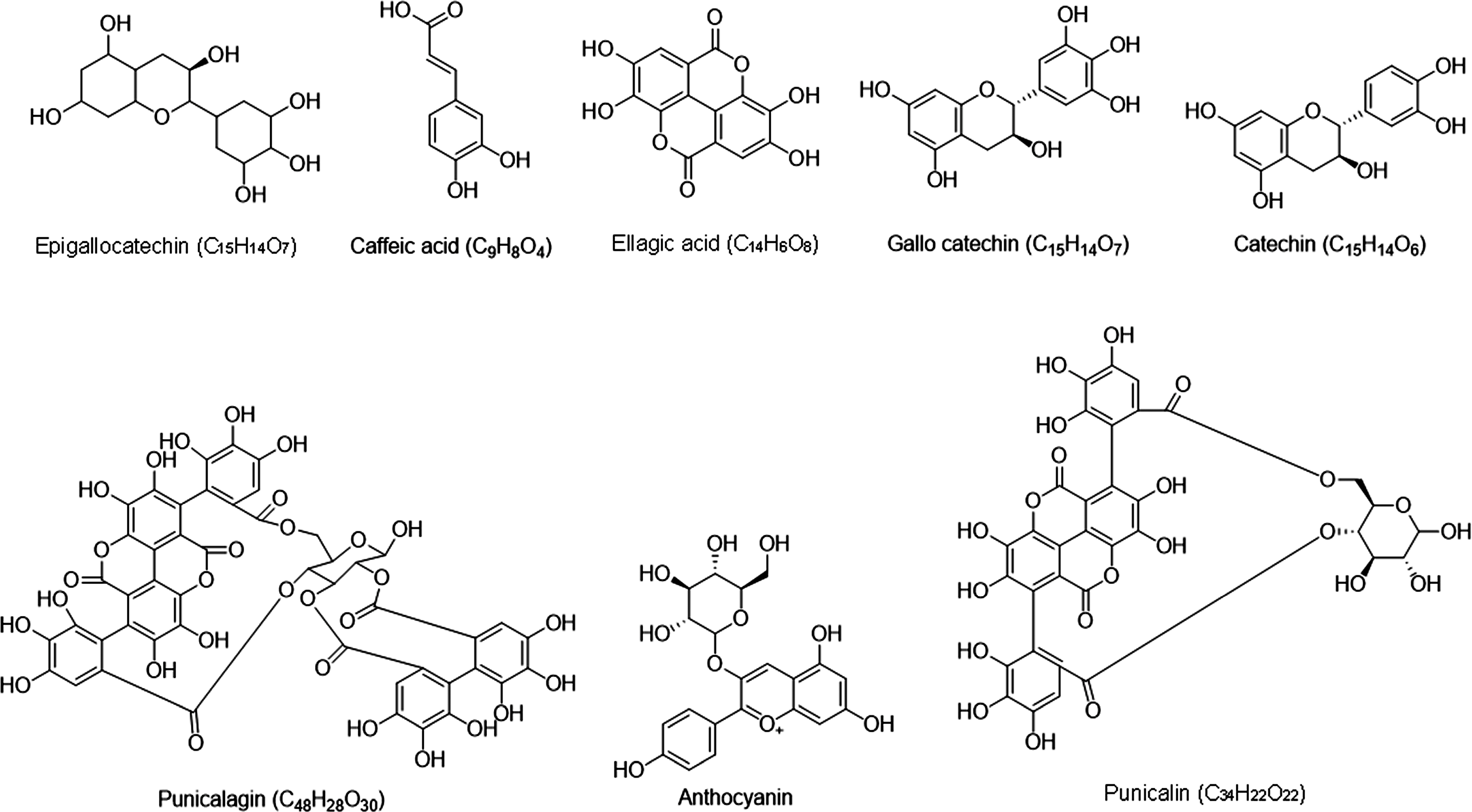
Long dismissed as mere agricultural waste, pomegranate peel (*Punica granatum L.*) is stepping into the spotlight as a powerhouse of health benefits. Packed with antioxidants, dietary fiber, and vitamins, this humble peel delivers remarkable anti-inflammatory, cardioprotective, wound-healing, anticancer, and antimicrobial properties. These superpowers stem from specific phytochemicals like gallic acid, ellagic acid, and punicalagin.
To harvest these treasures without harming the planet, modern science turns to green extraction methods. Techniques like pressurized liquid, ultrasound-assisted, microwave-assisted, and enzyme-assisted extraction offer efficient, sustainable alternatives to traditional processing.
Beyond medicine, this agricultural byproduct is transforming the food industry. By enhancing nutritional value, flavor, and shelf life, pomegranate peel paves the way for innovative functional foods and nutraceuticals, unlocking exciting opportunities across pharmaceutical, cosmetic, and food sectors.
Key Points
- Pomegranate peel is a rich reservoir of bioactive compounds.
- Green extraction methods provide efficient and sustainable alternatives.
- Applications span across pharmaceutical, cosmetic, and food industries.
Comments
No comments yet — be the first.