Preliminary Analysis of Bilberry NaDES Extracts as Versatile Active Ingredients of Natural Dermocosmetic Products: In Vitro Evaluation of Anti-Tyrosinase, Anti-Hyaluronidase, Anti-Collagenase, and UV Protective Properties
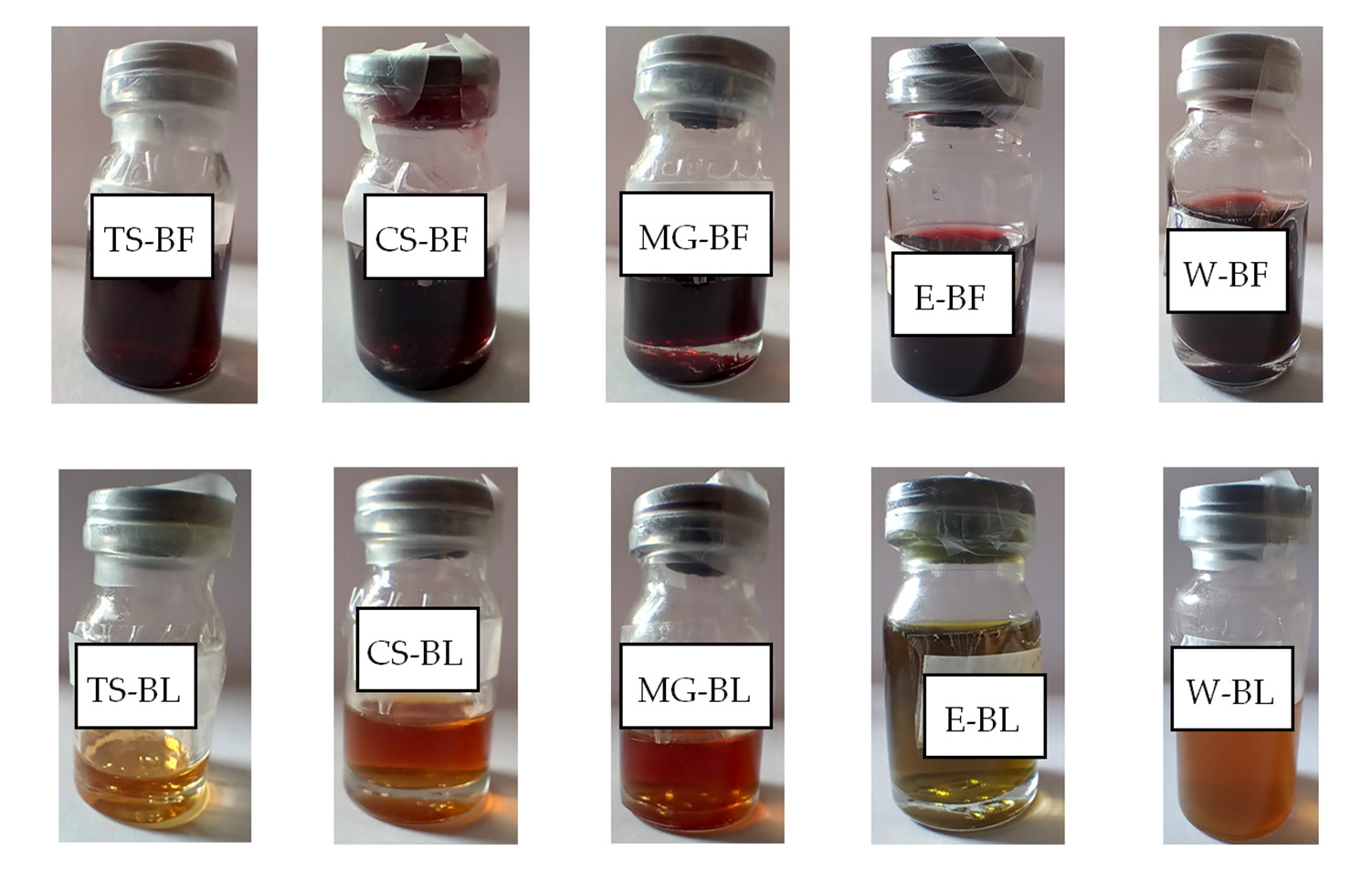
Bilberry leaves, often discarded as waste, might just be the skincare secret you never knew existed—and green chemistry is here to prove it.
Bilberry fruits are famous for their bioactive compounds, but their leaves? Usually tossed aside as by-products. This study flipped the script, testing both fruits and leaves of Vaccinium myrtillus L. in a head-to-head showdown. The twist: they used natural deep eutectic solvents (NaDES)—green, biodegradable alternatives to conventional solvents like water and ethanol. The goal? To see which extracts could best protect skin from UV damage and inhibit enzymes tied to aging: tyrosinase, hyaluronidase, and collagenase. The results were striking. NaDES extracts outperformed conventional ones across all bioactivities. And leaves? They beat fruits every time. The star was a leaf extract made with malic acid–glycerol, showing strong anti-tyrosinase (IC50 = 3.52 mg/mL), anti-hyaluronidase (IC50 = 3.23 mg/mL), and anti-collagenase (IC50 = 1.84 mg/mL) activities. Correlations emerged: UV protection linked to anti-tyrosinase and anti-collagenase, and anti-hyaluronidase tied to anti-collagenase. Chlorogenic acid and hyperoside seemed to drive the UV and anti-tyrosinase effects. Best of all, these top extracts showed a good safety profile in a 24-hour human volunteer study. Waste not, want not—bilberry leaves might just be the next big thing in dermocosmetics.
Key Points
- NaDES extracts beat conventional ones in all tests.
- Leaf extracts outperformed fruit extracts every time.
- Malic acid-glycerol leaf extract showed strong anti-aging activity.
Comments
No comments yet — be the first.