Production and characterization of sumac plantcrystals: Influence of high-pressure homogenization on antioxidant activity of sumac (rhus coriaria l.)
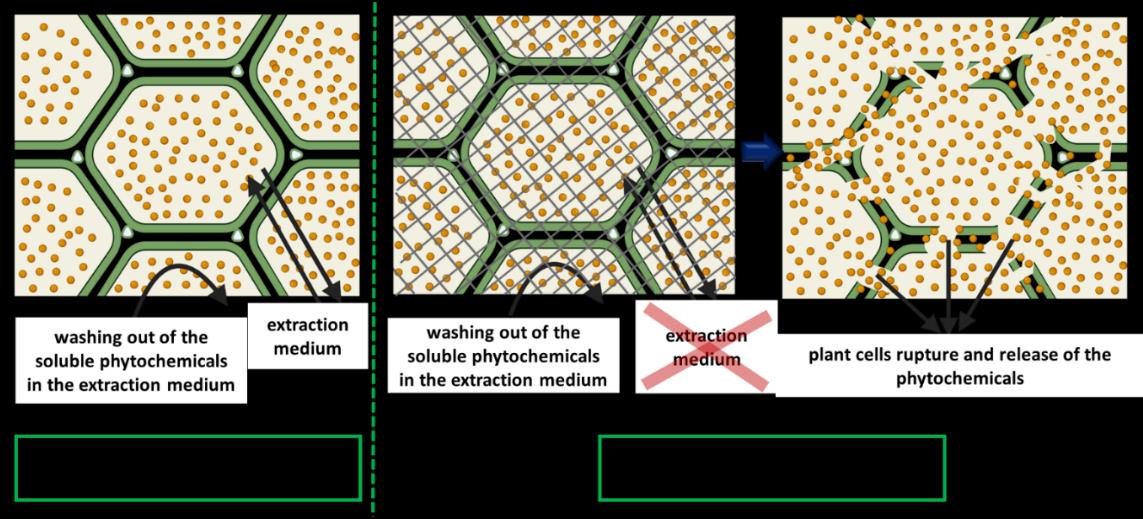
What if a spice could become a super-powered antioxidant factory—just by squeezing it? High-pressure homogenization turned ordinary sumac into submicron crystals with a 650% boost in antioxidant power.
For centuries, sumac has spiced up our plates—but its hidden antioxidant powers were locked inside rigid plant cells. Now, a century-old dairy technique is breaking them open. High-pressure homogenization (HPH), first used to smooth milk in 1900, has been repurposed as a green extraction method that pulverizes plant material without harsh solvents.
In this study, researchers turned sumac into PlantCrystals using HPH. The result? Submicron particles averaging 750 nanometers—small enough to release a flood of phytochemicals. The oxygen radical absorbance capacity (ORAC) skyrocketed to over 650% of bulk sumac's original value, while polyphenol and flavonoid levels climbed higher.
Even the DPPH assay, a different antioxidant test, showed dramatic improvement—comparable to ascorbic acid, a gold-standard antioxidant. The secret lies in efficient cell rupture: HPH physically tears plant cells apart, liberating antioxidants that were once trapped inside. This simple, solvent-free process delivers a 6.5-fold boost in antioxidant capacity, offering a sustainable path to natural health boosters.
Key Points
- HPH creates submicron sumac PlantCrystals (~750 nm).
- Antioxidant capacity jumps over 650% via ORAC assay.
- Solvent-free process boosts polyphenols, flavonoids, and DPPH activity.
Comments
No comments yet — be the first.