Recent advances in valorization of citrus fruits processing waste: a way forward towards environmental sustainability
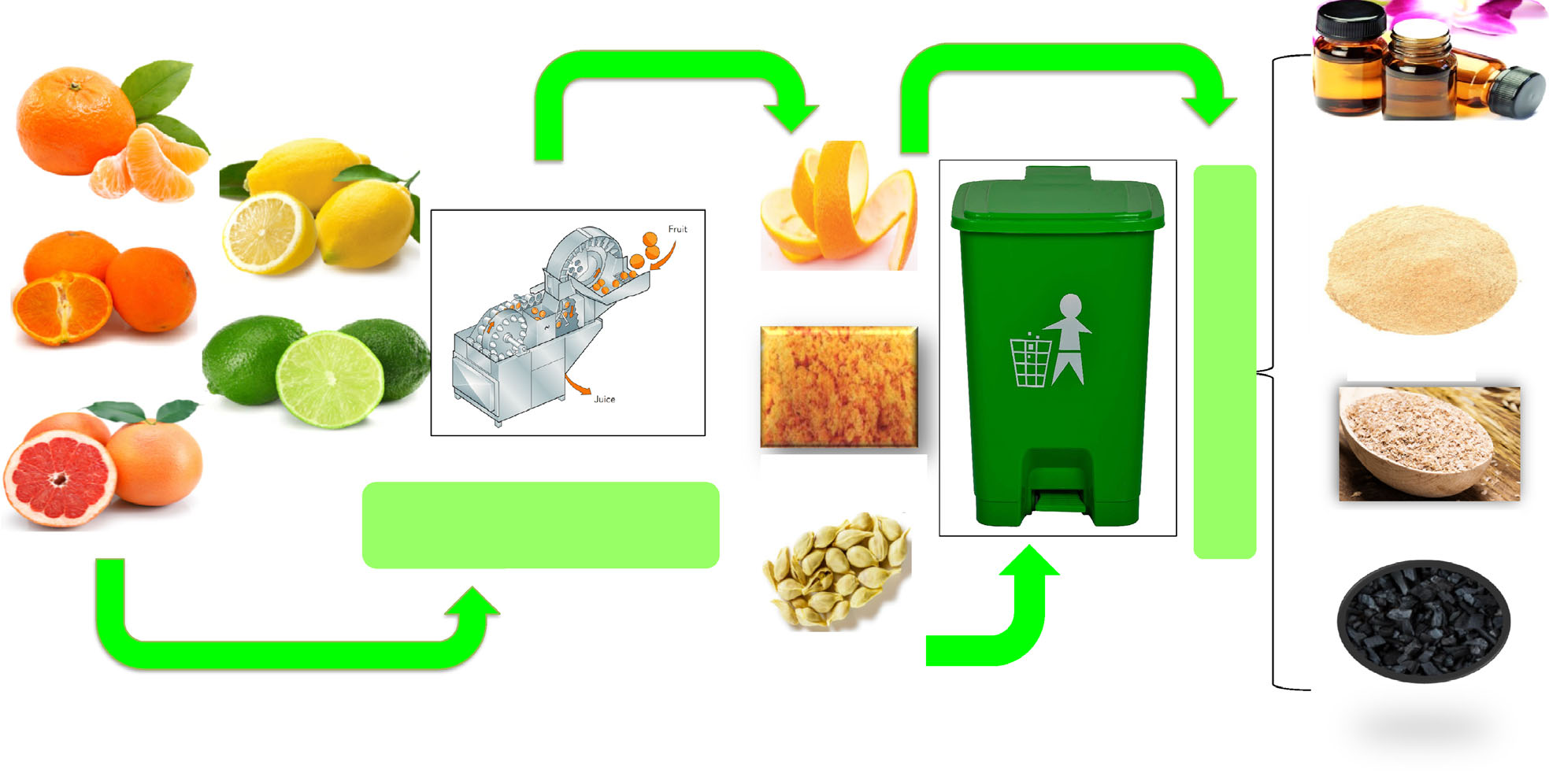
Every glass of orange juice leaves behind a mountain of discarded peels and seeds that threaten our environment. What if this processing waste isn't trash at all, but a goldmine of valuable resources?
Citrus fruits are celebrated for their medicinal and therapeutic power, packed with immense bioactive components. Yet, the massive global consumption of citrus juice creates a heavy toll: an abundance of processing waste, including peels, seeds, pomace, and wastewater. Left untreated, this debris sparks serious environmental pollution and health hazards.
Fortunately, this leftover material holds incredible potential. Recent scientific efforts focus on valorizing citrus waste to recover essential oils, pectin, nutraceuticals, macro and micronutrients, alongside producing ethanol and biofuels.
By viewing these byproducts as valuable resources rather than garbage, industries can champion the zero-waste theory. This review highlights recent breakthroughs in transforming citrus processing waste into high-value compounds, paving a sustainable path forward for the environment.
Key Points
- Citrus processing generates massive peel and wastewater waste
- Waste recovery yields essential oils, pectin, and biofuels
- Valorization supports environmental sustainability and zero-waste theory
Comments
No comments yet — be the first.